



The Ultimate Arbitrage: How to Build a Talent Agency for High-IQ Female Founders- AKA- Become The Billionaire Yourself!
Stop trading your network for free favors. Learn how ambitious operators are building high-yield agencies by identifying high-IQ female founders, unlocking billion-dollar market disruptions, and securing a permanent 20% equity or revenue share.
Turn your Rolodex into a compounding asset. Scale your portfolio, leverage raw genius, and let the smartest minds in the room do the heavy lifting.
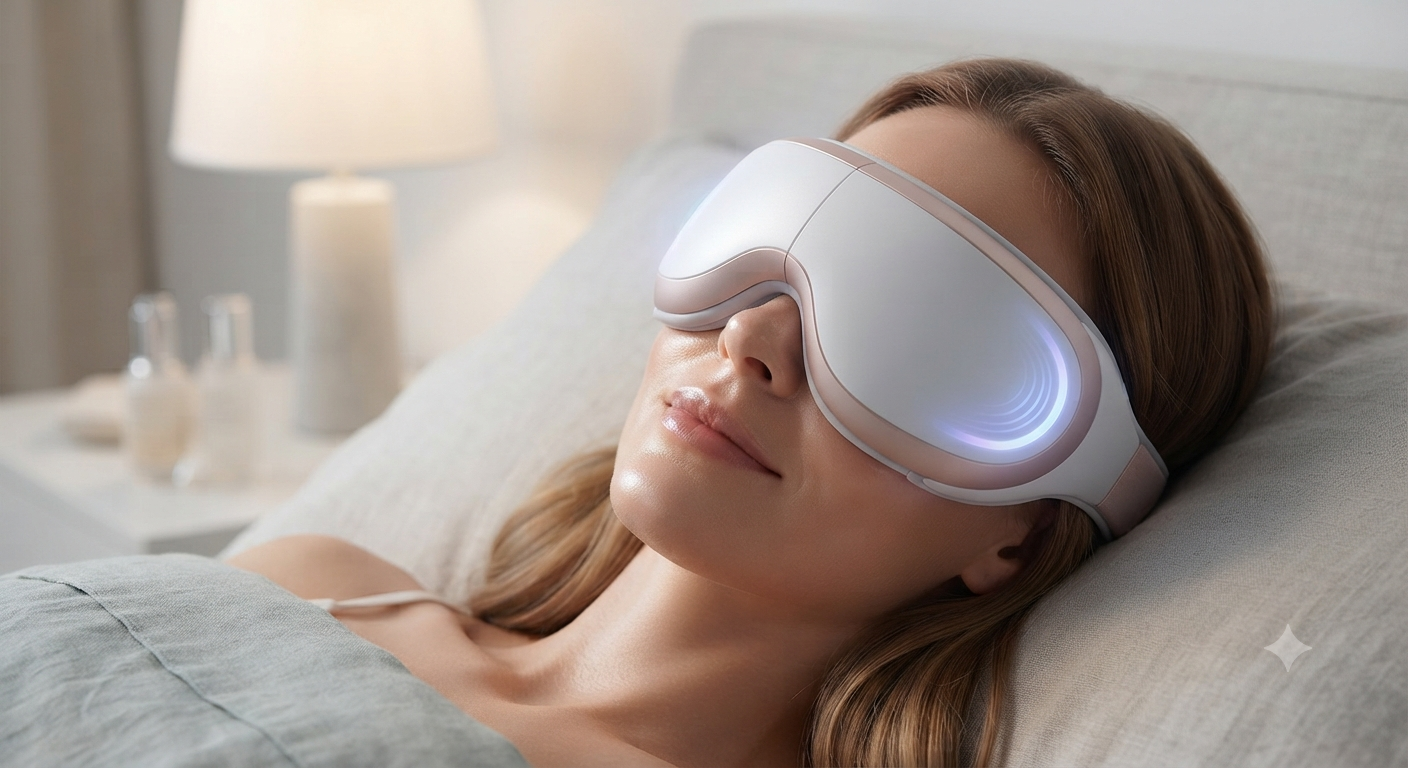
Wake Up Younger: How the New Wave of Tech Sleep Masks is Changing Skincare
Unlock the secret to effortless anti-aging and deep restorative rest. Discover how next-generation smart night masks use radio frequencies, ultrasound technology, and sound waves to drain lymphatic fluid, smooth fine lines, and redefine your morning routine while you sleep.
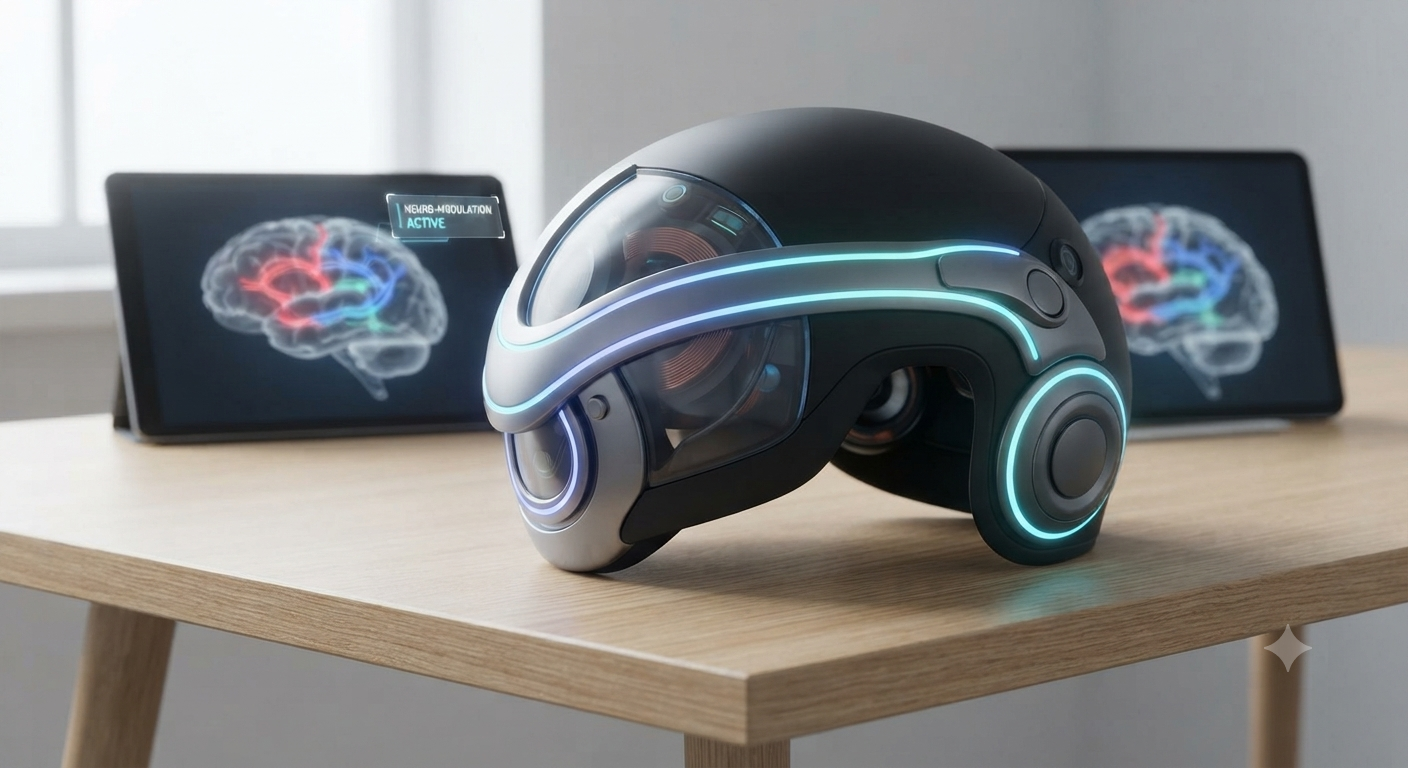
Rewiring the Mind: How Smart Helmets Use Light and Sound to Treat Stress, Depression, and Addiction
This blog post explores the cutting-edge convergence of non-invasive neurotechnology and mental wellness, focusing on the revolutionary concept of a multi-modal smart helmet. Written from the perspective of modern bio-energetic healthcare innovation, the article breaks down how four distinct physical modalities—focused ultrasound, pulsed radio frequencies, acoustic sound waves, and transcranial photobiomodulation—work in unison to target deep brain structures.
Designed for individuals interested in the future of healthcare, neuroscience, and wearable tech, the post details how these precise physical inputs can help regulate neural pathways, down-regulate neuroinflammation, and provide proactive, drug-free management for chronic stress, depression, and addiction.


The Sonic Secret to Weight Loss: How Sound Waves & Radio Frequencies Could Reshape Mindful Eating
Discover how sound waves, binaural beats, and radio frequency technology can lower cortisol, suppress appetite, and support non-invasive weight loss.
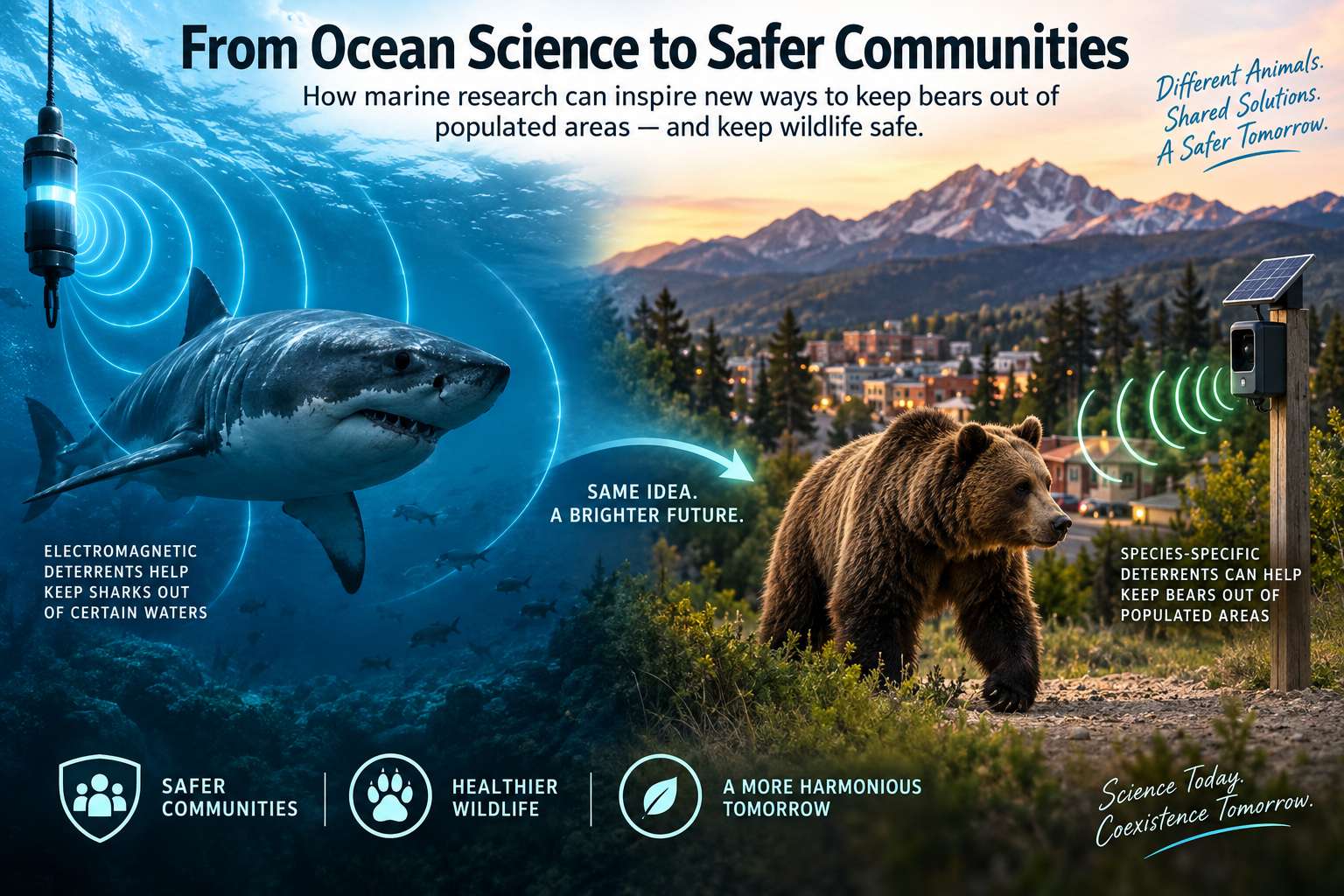
Could Shark Deterrent Technology Inspire a Safer Way to Keep Bears Out of Populated Areas?
Could marine technology help protect bears? Scientists use electromagnetic deterrents to influence shark behavior, offering inspiration for a new generation of non-lethal wildlife technology. Explore how smart sensors, AI, and species-specific deterrents could help keep bears out of populated areas—protecting both wildlife and communities.

Could Algae Replace Plastic in Diapers? A Sustainable Solution for a Growing Waste Problem
Could Algae Replace Plastic in Diapers? A Sustainable Solution for a Growing Waste Problem

Ultrasound: A Promising Tool in the Fight Against Cancer
This blog post explores the emerging role of ultrasound technology in cancer treatment. It discusses how ultrasound can be used to destroy tumors, enhance drug delivery, and minimize side effects. The post highlights the benefits of ultrasound therapy, such as its non-invasive nature and precision. Additionally, it discusses the ongoing research and future prospects of ultrasound in cancer treatment. Overall, the blog provides an overview of how ultrasound technology is becoming a promising tool in the fight against cancer.

Learning from the Swifts: Insights for Self-Flying Planes
Swifts, renowned for their exceptional aerial agility and endurance, can offer valuable insights for the development of self-flying planes. Their aerodynamic efficiency, sensory perception, and flight stability can inform the design and operation of autonomous aircraft. By studying the wingspan ratios, wing shapes, and flight patterns of swifts, engineers can optimize the design of self-flying planes for energy efficiency and maneuverability. Additionally, incorporating advanced sensors and algorithms inspired by swift behavior can improve the situational awareness, decision-making, and stability of self-flying planes.

Magnetic Fields and Parkinson's Disease: A Complex Relationship
This blog post explores the potential connection between magnetic fields and Parkinson's disease. It discusses studies that have investigated this relationship, including research on electromagnetic fields (EMFs) and magnetic stimulation therapies. While there isn't a definitive causal link, the blog highlights the importance of ongoing research to better understand the potential risks and benefits associated with magnetic fields.

Hurricane Havoc: The Devastating Impact on Fish Populations
In this blog post, we explore the devastating impacts of hurricanes on fish populations. We discuss how hurricanes can destroy critical habitats, pollute water, and directly harm fish. The post highlights the long-term consequences of these impacts, including declines in fish abundance and diversity. We also explore recovery efforts to restore damaged habitats and protect fish populations. By understanding the effects of hurricanes on marine ecosystems, we can take steps to mitigate their impact and ensure the sustainability of fish resources.

Tech Neck: A Modern Ailment and How to Combat It with Nature
In this blog post, we explore the modern health issue of tech neck, caused by excessive screen time and poor posture. We discuss the symptoms and consequences of tech neck, and provide practical tips for prevention and treatment. The post emphasizes the importance of incorporating nature into daily life to combat tech neck, offering suggestions for outdoor activities, mindful practices, and workspace adjustments. By following these recommendations, readers can reduce their risk of developing tech neck and improve their overall well-being.

Focused Ultrasound: A Promising Tool for Parkinson's Disease Gene Therapy
This blog explores the potential of focused ultrasound technology as a groundbreaking treatment for Parkinson's disease. It explores into the mechanisms of FUS-IGE, its potential benefits, and the ongoing research in this field. The blog highlights the promise of FUS-IGE as a non-invasive and precise gene editing tool that could revolutionize the treatment of Parkinson's disease.

Sound Waves and Neurodegenerative Diseases: A Growing Concern
This blog explains into the potential link between sound waves and neurodegenerative diseases. It explores how excessive noise exposure can impact the nervous system, leading to cognitive decline and conditions like Alzheimer's. The blog discusses the mechanisms through which sound waves may contribute to these diseases, including the generation of mechanical vibrations within the brain. It also provides information on protecting your nervous system from the harmful effects of noise, such as limiting exposure and creating a quiet sleep environment.

The Impact of Sound Frequencies on Cognitive Decline
Prolonged exposure to certain sound frequencies, especially from noise pollution, can negatively impact brain function and contribute to cognitive decline. Studies suggest that high and low-frequency sounds disrupt the brain’s natural processes, increasing stress levels, impairing memory, and accelerating neurological disorders like Alzheimer’s. Chronic noise exposure can also decrease brain plasticity and disrupt sleep, further exacerbating cognitive issues. However, therapeutic sound frequencies, like binaural beats, may offer cognitive benefits. By managing noise exposure and exploring sound therapies, individuals can protect their cognitive health and potentially slow down cognitive decline. Scholarly research continues to explore these important connections.

The Intersection of Neurology and Magnetic Frequency: How Your Location Matters
This blog explores the impact of electromagnetic frequencies (EMFs) on neurological health and how geographical locations can influence exposure. It delves into the effects of both natural and artificial EMFs on brain function, discussing potential links between high EMF exposure and conditions like anxiety, cognitive decline, and Parkinson’s disease. The blog highlights the benefits of living in areas with low EMF levels—such as rural locations with reduced technological activity—and offers lifestyle tips for minimizing exposure to promote better brain health.
