Addiction—whether to drugs, alcohol, or compulsive eating—is fundamentally a disease of the brain's reward system. Over time, substance use and highly palatable foods hijack the neural pathways responsible for pleasure, motivation, and self-control, leaving individuals trapped in a cycle of overwhelming cravings and diminished willpower.
While traditional recovery approaches rely on behavioral therapy, support groups, and pharmaceutical interventions, neuroscience is pioneering a new frontier: neuromodulation. Among these cutting-edge tools, technologies utilizing radio frequency (RF) and high-frequency electromagnetic energy are showing remarkable potential to directly recalibrate the brain’s addiction circuits.
Here is a look at how frequency-based technologies are shedding new light on addiction recovery and helping people regain control over their habits.
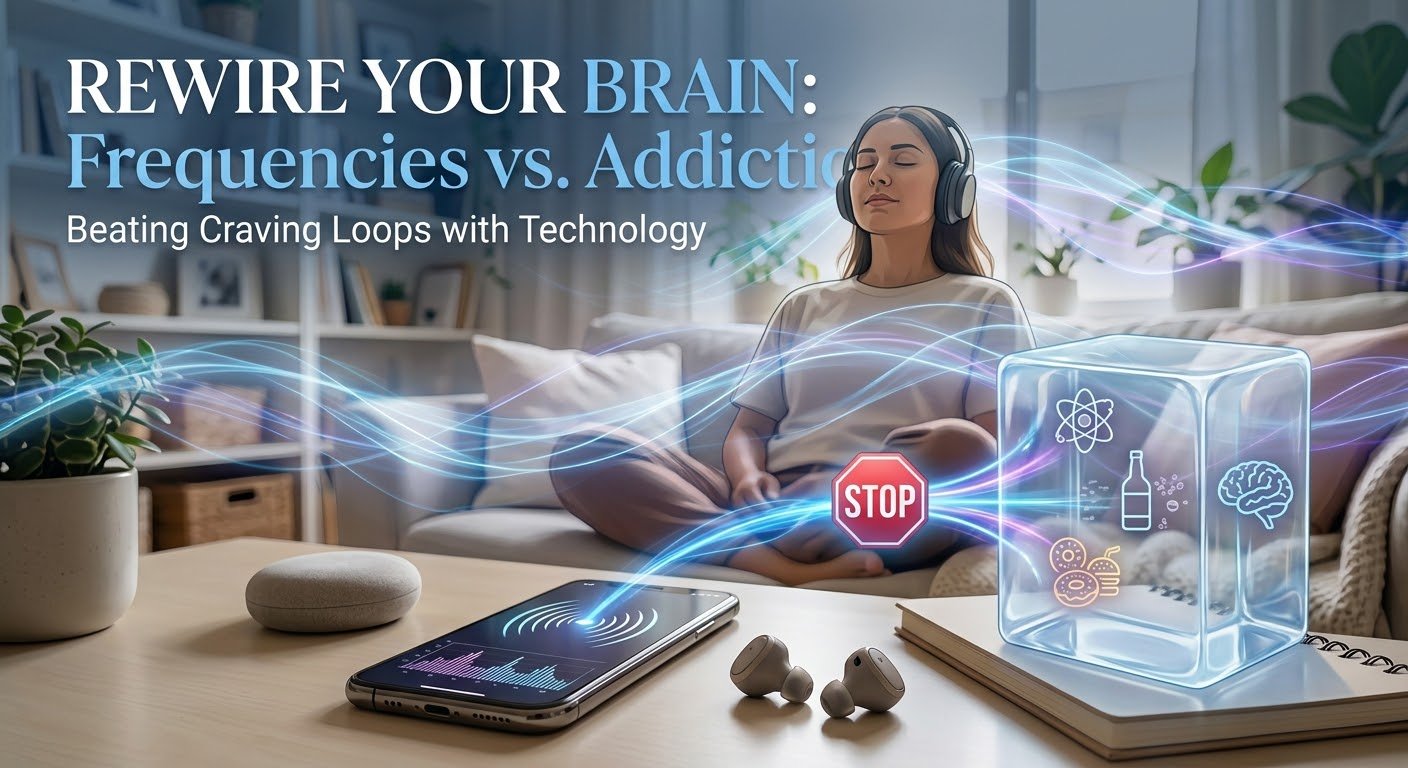
1. Disrupting the Craving Circuit: The Science of Neuromodulation
At the core of any addiction is the mesolimbic dopamine pathway—specifically regions like the nucleus accumbens (the reward center) and the dorsolateral prefrontal cortex (DLPFC, responsible for decision-making and impulse control). In an addicted brain, impulse control weakens while craving signals fire uncontrollably.
Radio frequencies and electromagnetic waves work by delivering targeted energy to these precise brain regions:
Strengthening the "Brakes": By stimulating underactive regions in the prefrontal cortex, targeted frequencies help restore cognitive control, making it easier to say "no" to immediate impulses.
Calming the "Gas Pedal": Frequency therapy can simultaneously dampen overactive reward circuits, lowering the baseline intensity of cravings for drugs, alcohol, or sugar.
2. Emerging Technologies Using Frequencies for Addiction
Several frequency-driven technologies are leading the charge in medical research and clinical applications:
A. Repetitive Transcranial Magnetic Stimulation (rTMS)
While rTMS uses magnetic pulses delivered at specific radio-frequency spectrums, its primary goal is electrical stimulation of cortical tissue. Clinical trials have shown that applying magnetic pulses to the prefrontal cortex can significantly reduce cravings for tobacco, alcohol, and cocaine. In fact, rTMS treatments have already received regulatory approvals for smoking cessation, paving the way for broader addiction applications.
B. Radio Frequency Thermal Lesioning & Deep Brain Stimulation (DBS)
In severe, treatment-resistant cases, neurosurgeons have explored Deep Brain Stimulation (DBS)—where micro-electrodes deliver continuous high-frequency electrical pulses directly into deep brain structures like the nucleus accumbens. Additionally, specialized RF thermal procedures are used in targeted ablation to disrupt malfunctioning neural loops. Early trials report significant reductions in alcohol dependence, opioid relapse, and severe compulsive eating behaviors.
C. Temporal Interference (TI) & Non-Invasive Deep Stimulation
One of the newest breakthroughs is Temporal Interference (TI). This non-invasive method sends two slightly different high-frequency electrical currents through the scalp. Where these radio-frequency currents intersect deep inside the brain, they create a low-frequency envelope capable of stimulating deep structures—like the reward center—without needing surgery. Ongoing research is exploring TI to reduce nicotine and substance cravings in real-time.
3. Targeting Food Addiction: Ending Compulsive Overeating
Food addiction—particularly to hyper-processed foods packed with sugar, salt, and unhealthy fats—triggers the exact same neural circuitry as substance use disorders.
Resetting Satiety Cues: RF neuromodulation helps tone down the frantic "reward seeking" triggered by visual or sensory food cues.
Breaking Binge Loops: By strengthening executive function in the prefrontal cortex, patients report experiencing fewer intrusive thoughts about food and a greater ability to practice mindful eating.
The Dual Benefit: When combined with non-invasive peripheral RF body-contouring treatments, patients not only address physical fat cells, but also gain tools to reshape the underlying neurological drivers of overeating.
4. A Holistic Future for Recovery
Frequency-based technology is not a "magic cure" on its own, but rather a powerful tool to reset the brain's physical state so that behavioral healing can take root. When paired with traditional counseling, lifestyle changes, and nutritional support, frequency therapy can lower the barrier to entry for long-term recovery.
As research advances and access expands, electromagnetic and radio frequency medicine may offer millions of people a compassionate, science-backed second chance at freedom from addiction.