Green Gold: How Ultra-Low-Cost Algae Protein Can Help Eradicate Global Malnutrition
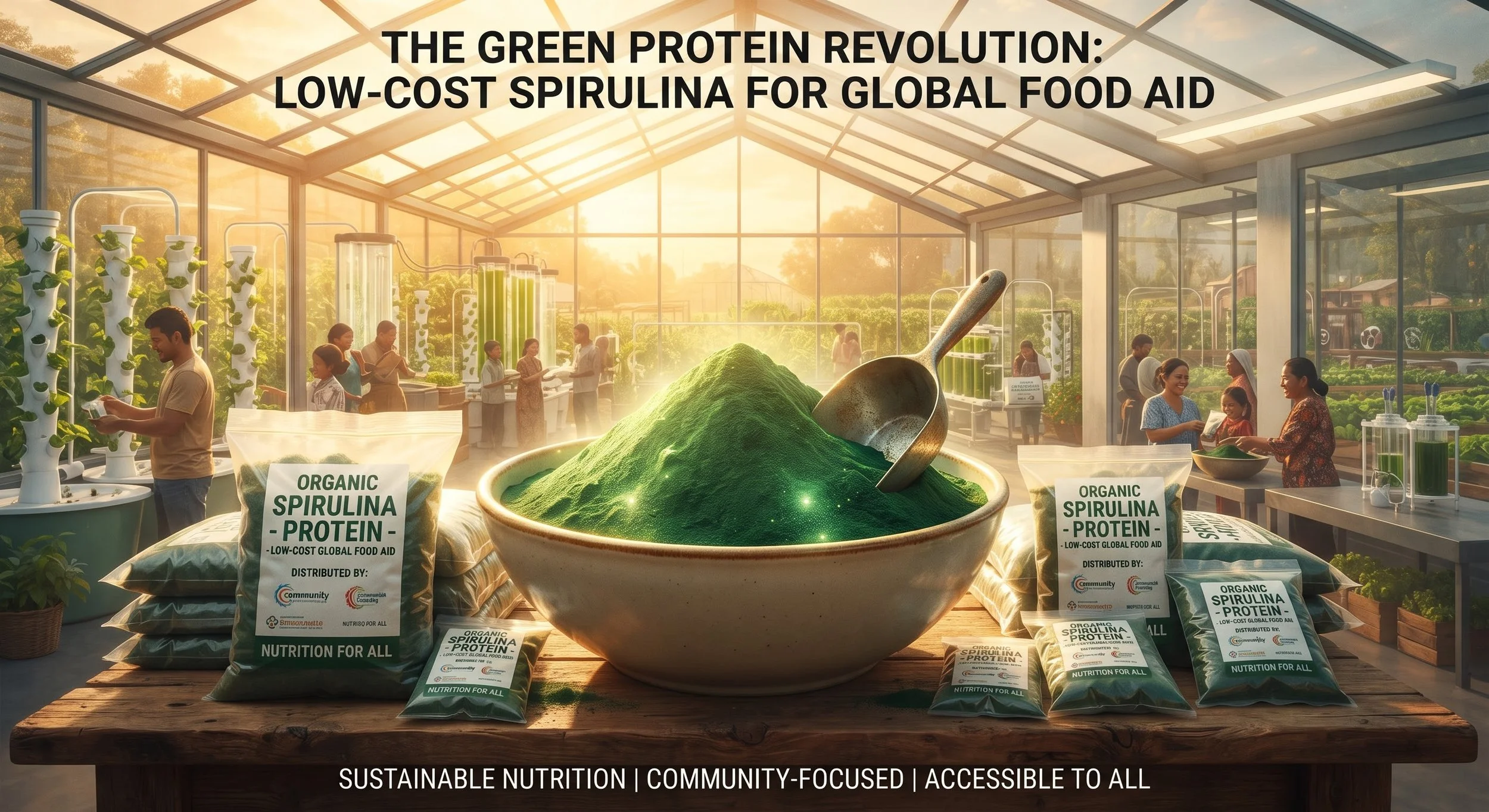
In the fight against global food insecurity, the greatest hurdles have always been land, water, and cost. Traditional animal farming requires massive acreage, massive water supplies, and extensive feed conversion cycles. Even plant-based alternatives like soy demand prime arable land and heavy irrigation.
But what if the key to feeding the world's most vulnerable populations isn't found in the soil at all—but in the sunlit ponds of the developing world?
Enter BioSustain Protein: an ultra-low-cost, high-efficiency algae protein concept designed specifically to provide nutrient-dense relief to the poorest communities on earth for just pennies a day.
The Power of Spirulina and Microalgae
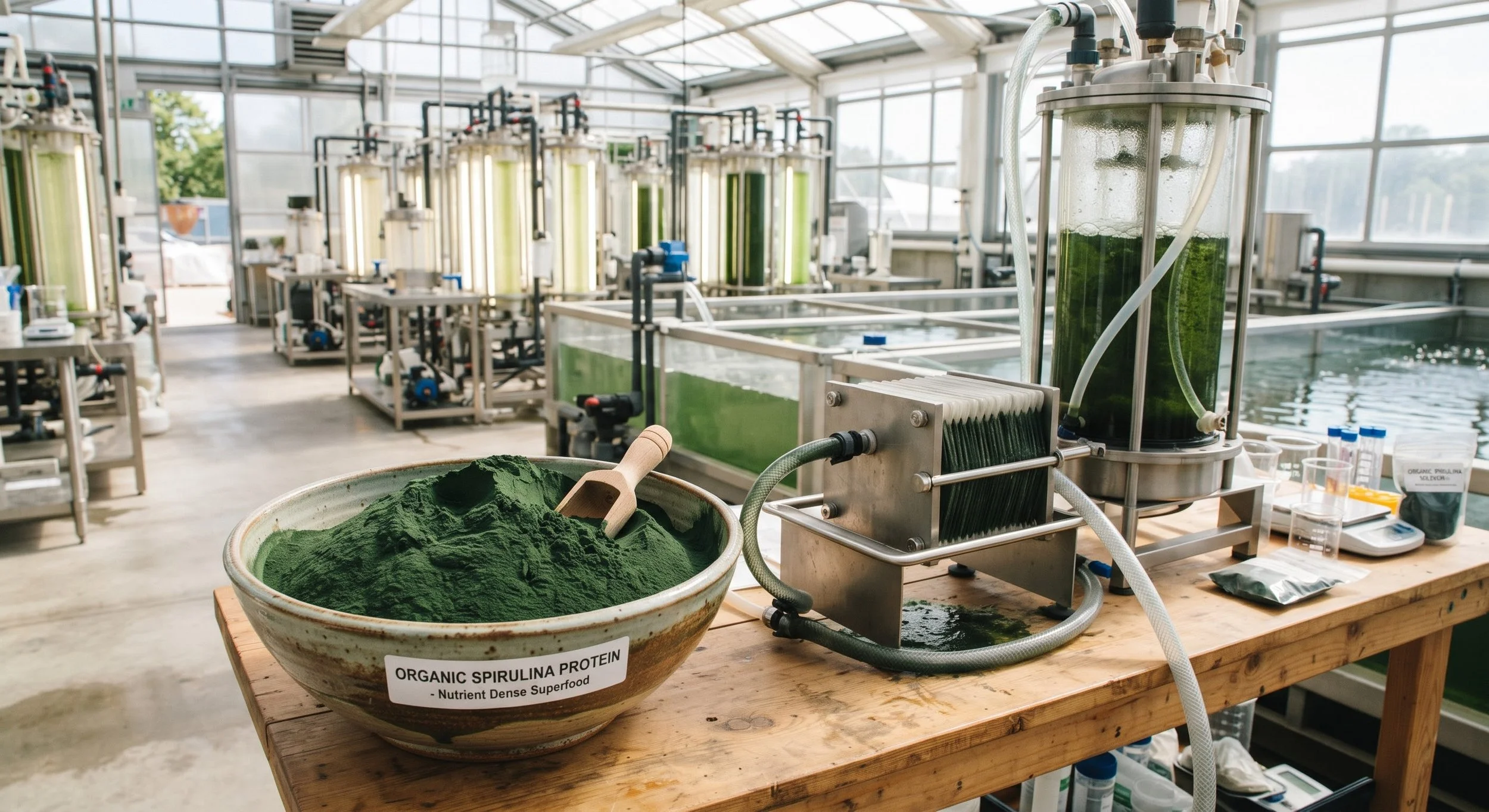
When designing a food-aid protein source for resource-constrained regions, you need a organism that grows fast, packs a massive nutritional punch, and doesn't compete with traditional agriculture. We selected Arthrospira platensis (commonly known as Spirulina) combined with robust local Chlorella strains.
Unlike plants with tough cellulose walls that require intense processing to digest, Spirulina features soft mucopolysaccharides. This means its protein is 60% to 70% bioavailable straight out of the water.
Per 100 grams of dry powder, it delivers:
60–65g of Complete Protein (containing all 9 essential amino acids)
An abundance of bioavailable iron, zinc, and Vitamin A (beta-carotene) to combat stunting and anemia.
Healthy essential fatty acids like Gamma-Linolenic Acid (GLA).
Low-Tech, High-Impact Production
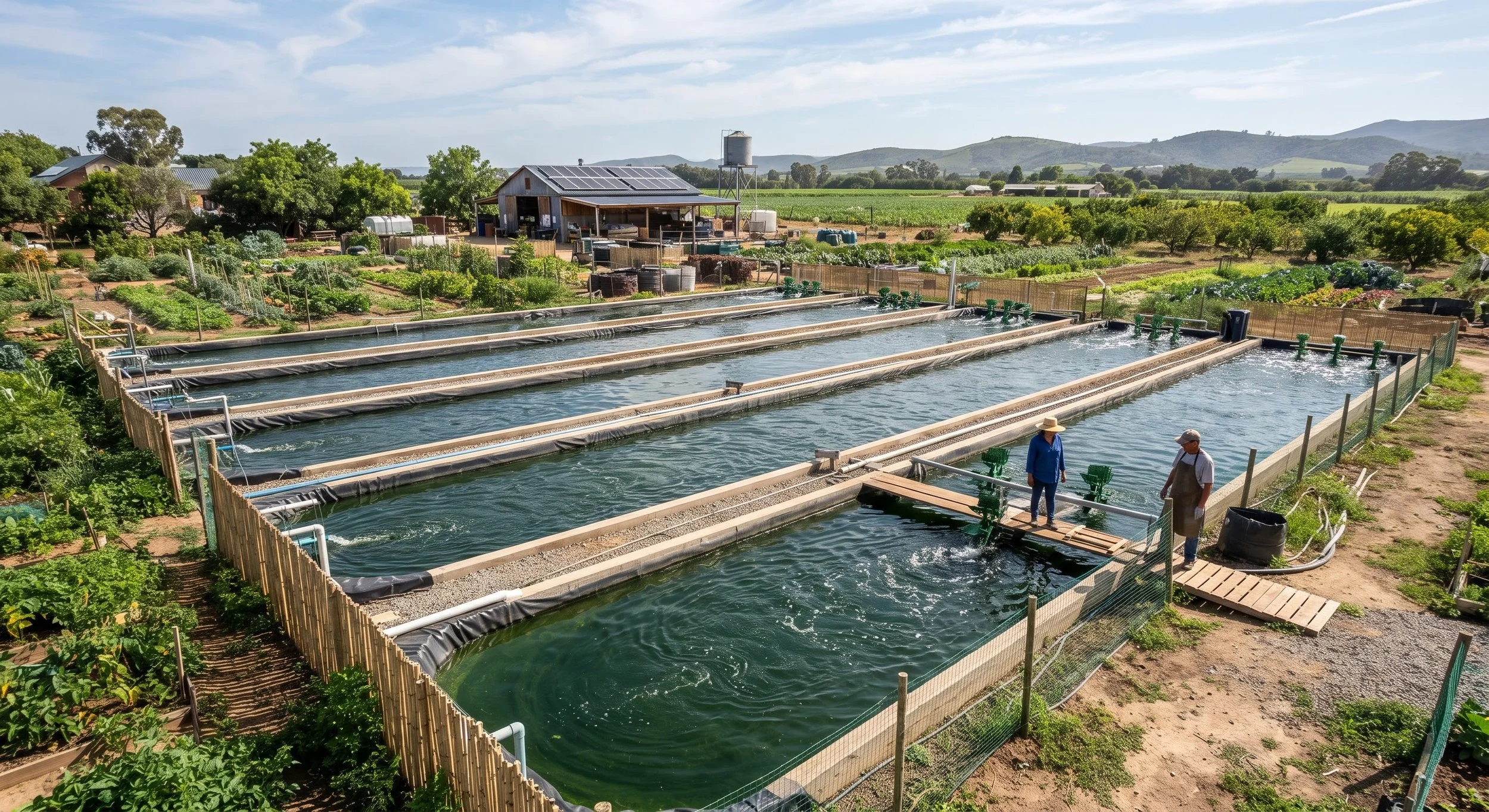
To keep costs near absolute minimums, this model completely bypasses expensive, high-energy closed photobioreactors. Instead, production utilizes shallow, open-air raceway ponds built with compacted earth and lined with UV-resistant geomembranes.
The inputs are wonderfully simple:
1. Sunlight (abundant in the tropical and arid regions where food insecurity is highest)
2. Carbon dioxide (sourced from agricultural byproducts or cheap carbonate salts)
3. Basic agricultural fertilizers (urea, potassium sulfate, and phosphate)
4. Brackish or alkaline water that is totally unsuitable for drinking or traditional farming.
By utilizing low-cost gravity settling, vibrating screen meshes, and solar drying rather than expensive industrial centrifuges, the entire system can be operated at a community cooperative level.
The Numbers: How Much Does It Actually Cost?
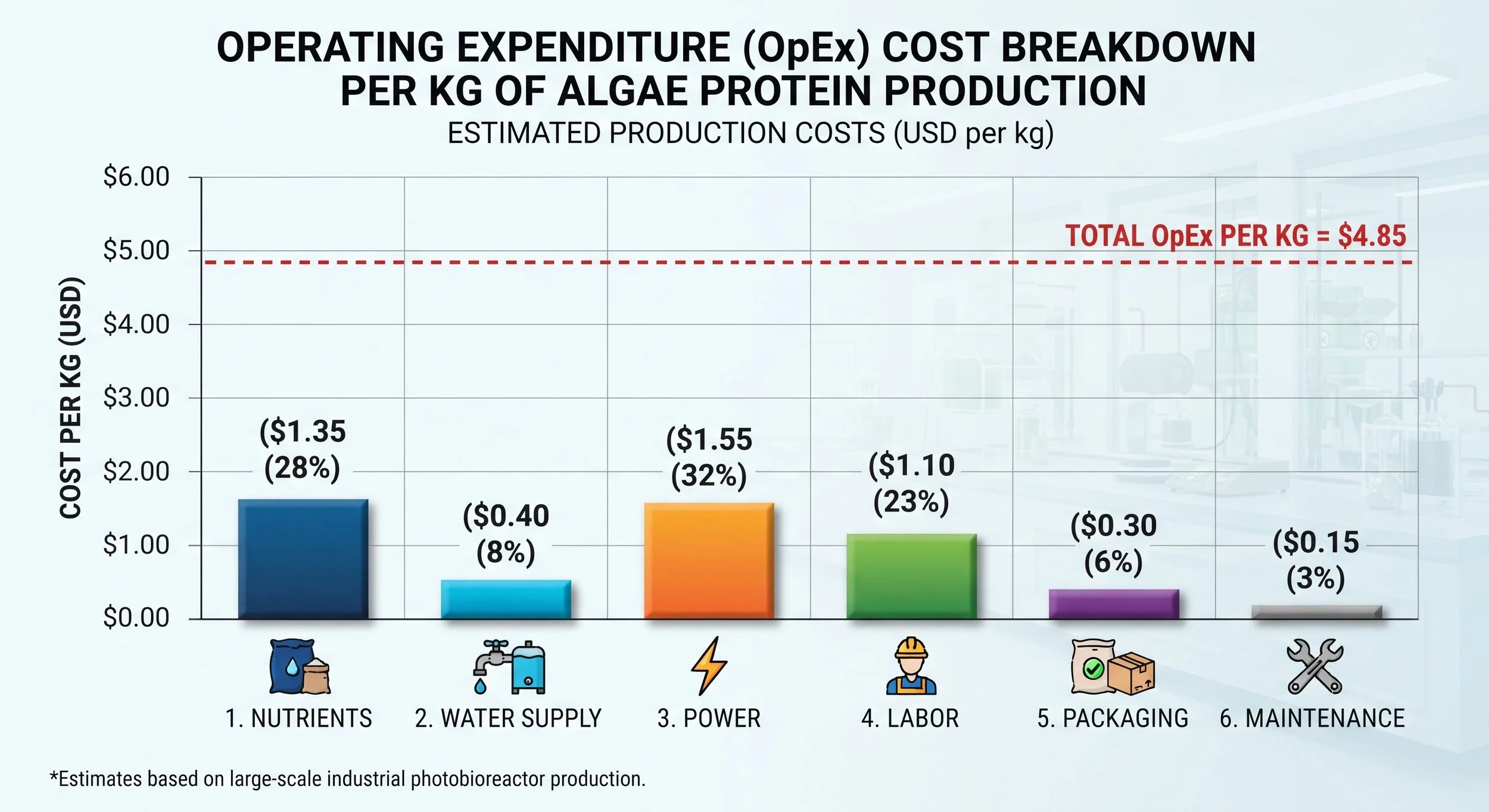
To prove that this can work as humanitarian aid, we have to look closely at the economics. Factoring in amortized infrastructure (CapEx) and operational inputs like nutrients, water, and local labor (OpEx) for a facility producing 1,000 kg per month, the financial breakdown per kilogram is remarkably low:
Total Capital Expenditures (CapEx): $0.37 / kg
Total Operating Expenditures (OpEx): $2.45 / kg
Total Production Cost: $2.82 per kilogram
When translated into daily nutritional impact, the numbers change the game entirely. A standard therapeutic recovery and supplemental dose for a malnourished child or adult is roughly 30 grams per day.
For less than 9 cents a day—or roughly $2.55 a month—an individual can receive a complete daily baseline of vital protein and micronutrients.
Blending Into Local Staples
Pure algae powder has a rich, earthy flavor that can take some getting used to. To make this a practical food source, the powder doesn't need to be consumed by the spoonful.
Instead, it can be blended seamlessly at a 5% to 10% ratio into local dietary staples—such as maize flour, flatbreads, or porridges. At this ratio, it supercharges the amino acid and iron profile of carbohydrate-heavy meals without drastically altering taste or texture.
A Greener Path Forward
Solving global malnutrition requires looking beyond traditional supply chains and expensive imports. By turning sunlight, brackish water, and local labor into a complete nutritional powerhouse, microalgae offers a scalable, sovereign solution that communities can run themselves.
The technology is ready. The math works. Now, it's about building the infrastructure to bring green gold to those who need it most.