


Sound Wave Technology from the Ocean: Innovative Uses Beyond Marine Science
This blog explores how sound wave technology from the ocean has led to innovations in various fields. From using sonar to navigate underwater to developing medical imaging techniques, sound waves have proven to be a valuable tool. We'll delve into the science behind sound waves and how they are used in various industries, including medicine, defense, and environmental monitoring. We'll also examine how researchers are continuing to explore the potential of sound waves to revolutionize the way we live and work. Join us as we explore the exciting world of sound wave technology and its impact on modern society.
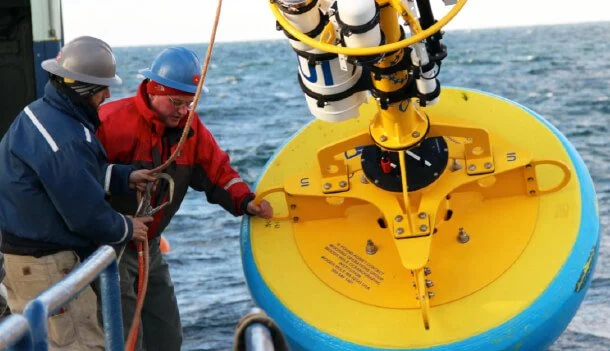
Using Waves and the Ocean to Power Databases and Keep Them Cool
Ocean waves have the potential to power databases through wave energy converters. These devices convert the motion of ocean waves into electricity, which can be used to power various applications, including databases. Wave energy converters work by capturing the kinetic energy of ocean waves and converting it into mechanical or electrical energy. This energy can then be stored in batteries or fed directly into a power grid. With the increasing demand for sustainable energy sources, wave energy is a promising option that could help reduce our reliance on non-renewable energy sources and contribute to a more sustainable future.
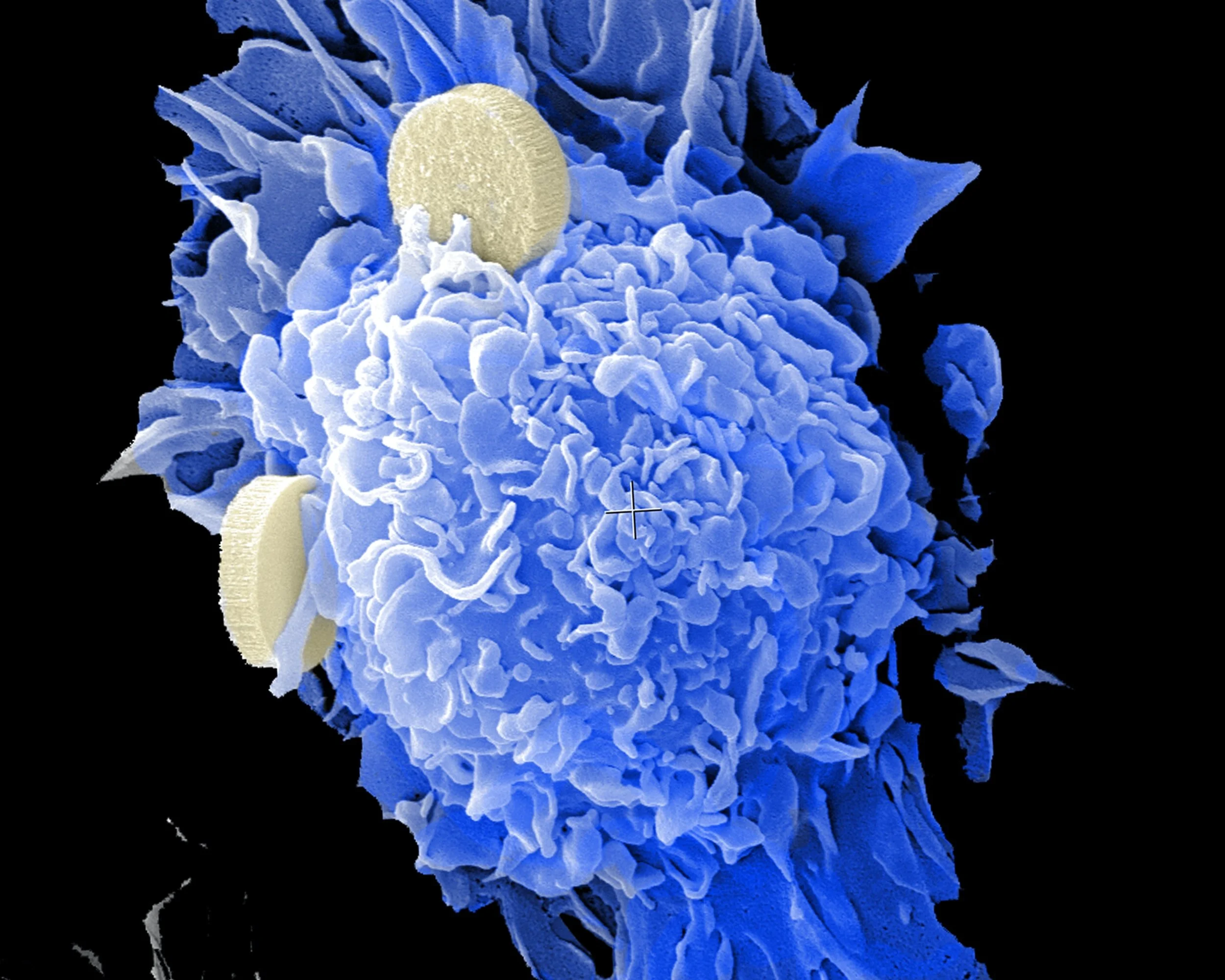
Sealife for Cancer and Diabetes Research
Scientists are increasingly looking to the ocean for new treatments for cancer and diabetes. Sea creatures have evolved to live in an environment that is very different from our own, and this has led to the development of unique mechanisms for dealing with stress, inflammation, and other factors that can contribute to the development of these diseases.
Some of the most promising sealife for cancer research include jellyfish, sea squirts, sea slugs, sponges, and mussels. These creatures produce a variety of compounds that can kill cancer cells without harming healthy cells. They are also being studied for their potential to improve insulin sensitivity and reduce blood sugar levels.
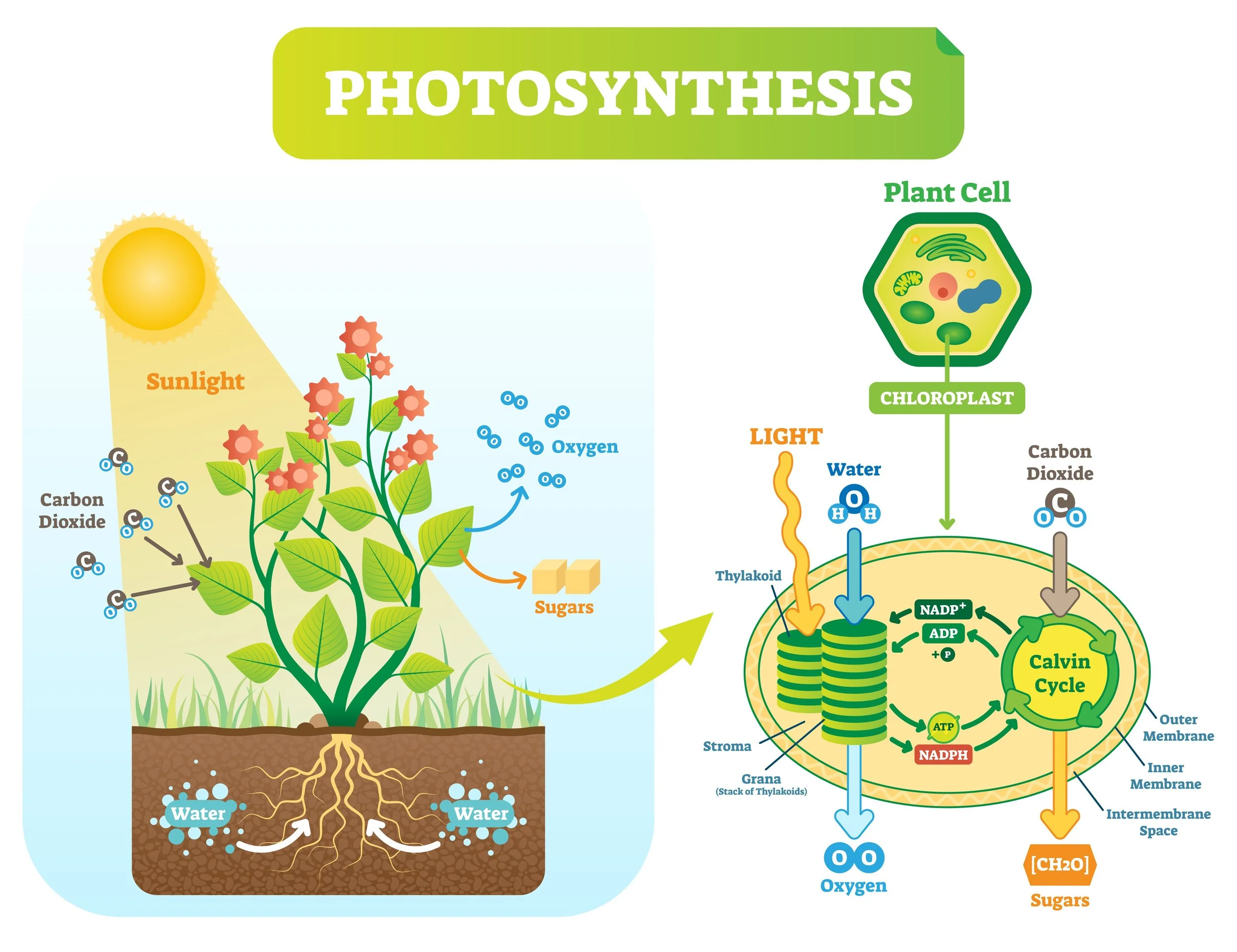
Photosynthesis Inspired Approaches to Treat Neurodegenerative Diseases
This blog explores how photosynthesis-inspired approaches can potentially treat neurodegenerative diseases. Photosynthesis, the process by which plants convert light energy into chemical energy, involves complex molecular mechanisms that can be applied to develop new therapeutic strategies for diseases such as Alzheimer's and Parkinson's. Research has shown that natural and synthetic molecules involved in photosynthesis can reduce alpha-synuclein aggregation, a hallmark of neurodegenerative diseases. By understanding the mechanisms of photosynthesis and their application in treating neurodegenerative diseases, scientists can develop innovative treatments that may ultimately lead to a cure.
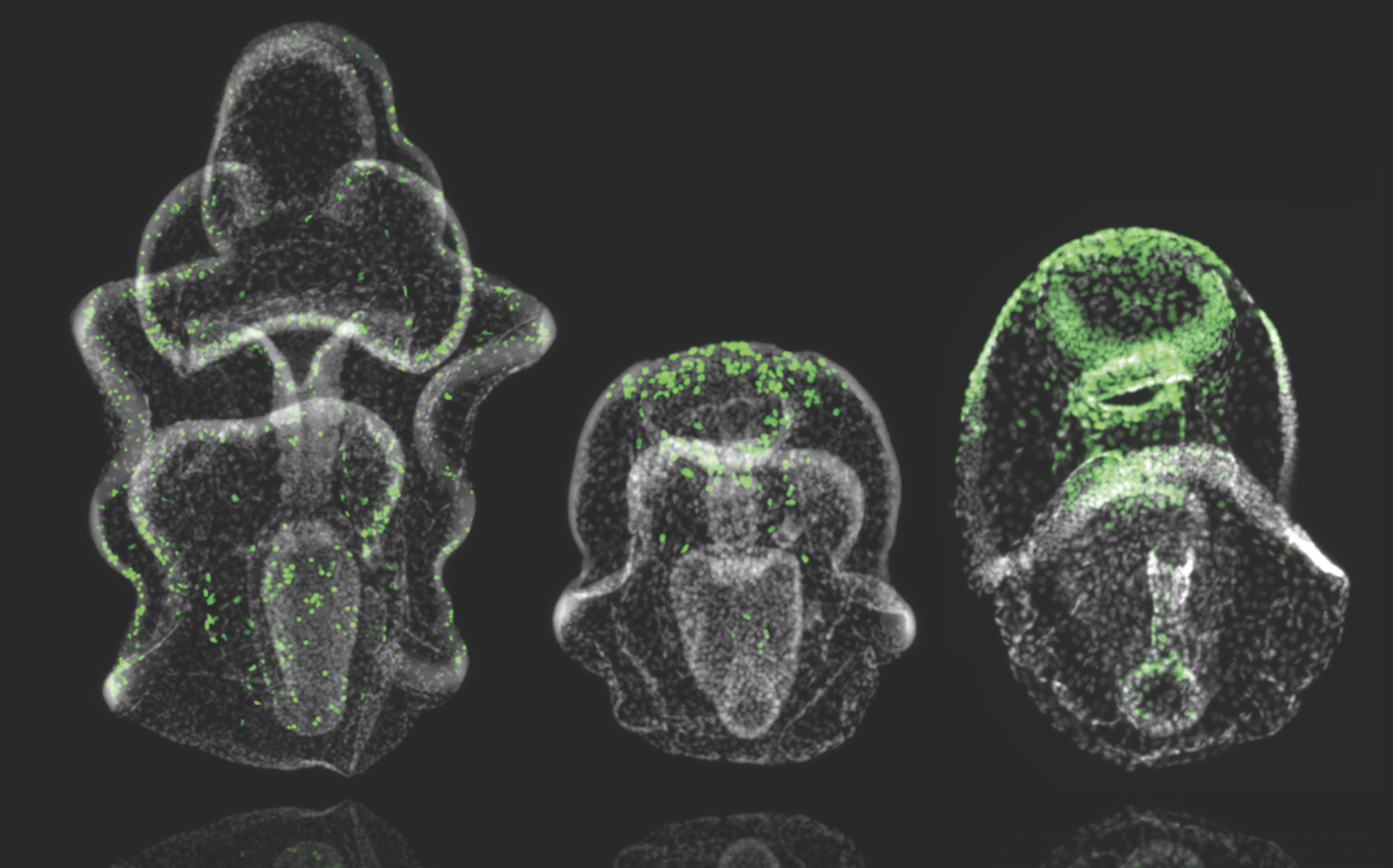
Part 2: Starfish: The Key to Regenerating Human Neurons?
This blog explores the fascinating ability of starfish to regenerate their neurons and how it can be used for healthcare. Starfish have the unique ability to grow new neurons, including sensory neurons, motor neurons, and interneurons, as well as regenerate their entire nervous system from just one neuron. The process of starfish neuronal regeneration is not fully understood, but it is thought to involve stem cells, growth factors, and enzymes. This ability is being investigated for potential applications in treating spinal cord injuries, brain injuries, and neurodegenerative diseases. Ongoing research into starfish neuronal regeneration is likely to lead to exciting new developments in the future.
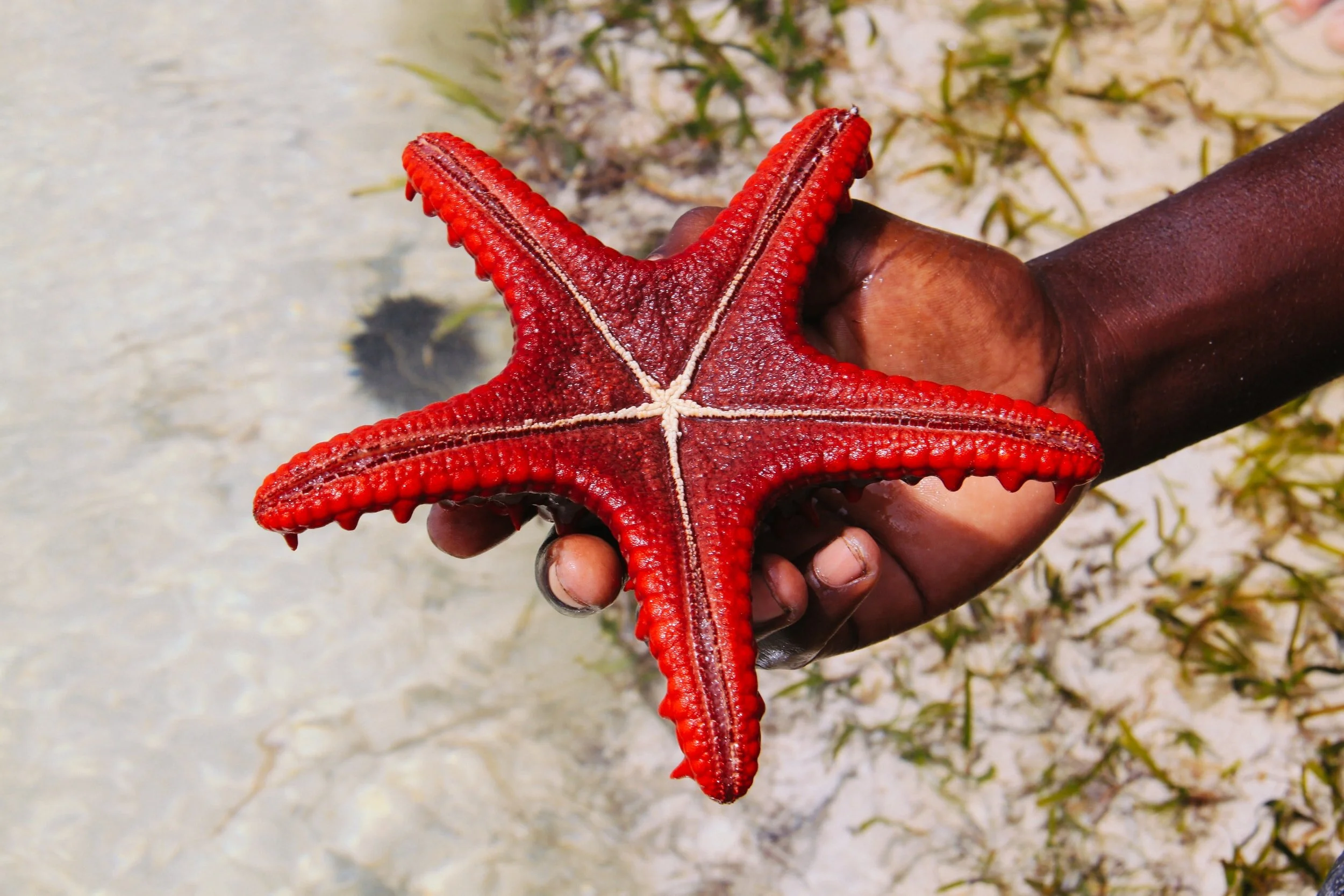
Part 1: The Remarkable Regenerative Abilities of Starfish and Their Potential for Healthcare
The incredible ability of starfish to regenerate their limbs has caught the attention of researchers, and for good reason. This unique ability has the potential to revolutionize the field of healthcare by inspiring the development of new regenerative therapies for various injuries and diseases. Researchers are exploring how starfish are able to activate specific genes and form specialized structures to regenerate their limbs, and they are applying this knowledge to develop new treatments for conditions such as spinal cord injuries and the development of advanced prosthetic devices.

From Seashells to Spacecraft: How Nature's Engineering Inspires Innovation
Seashells have inspired significant engineering developments in the fields of materials science and acoustics. The unique structure and composition of seashells have provided scientists and engineers with inspiration for creating biomimetic composites and seashell-inspired microphones. Biomimetic composites can be used in a range of applications, including aerospace and sports equipment, while seashell-inspired microphones can be used in underwater communication and medical diagnostics. The properties of seashells, such as their stiffness, strength, and toughness, have also inspired the development of new materials with similar characteristics. As our understanding of seashells continues to grow, it is likely that they will continue to inspire innovative engineering applications.

Nature's CEO: How Top Executives Use the Great Outdoors to Destress and Excel
According to a study published in the International Journal of Environmental Health Research, spending just 20 minutes in nature can significantly reduce cortisol levels, a hormone associated with stress. This reduction in stress hormone levels can lead to improved mental health, including decreased symptoms of anxiety and depression.Top C-Suites, especially CEOs, use nature to destress and improve their overall well-being.

Nature's Symphony: How Sound from the Great Outdoors Can Heal Your Mind
Sound therapy has been used for centuries in many cultures, and recent studies have shown that certain types of sound from nature can have a profound impact on our brain and overall well-being. From the calming sound of water to the invigorating sound of wind, our blog explores the different types of sound from nature that can be used in sound therapy to promote relaxation, reduce stress and anxiety, and improve mood. Experience the healing power of nature's symphony with our informative blog.

The Healing Power of Nature: Exploring the Mental Health Benefits of Being Outdoors
This blog explores the many mental health benefits of spending time outdoors, from reducing stress and anxiety to promoting overall well-being. The article offers tips and strategies for incorporating nature into your daily routine, including spending time in green spaces, engaging in outdoor activities, and participating in conservation work. Whether you're an avid hiker or simply enjoy taking a walk in the park, this article offers valuable insights and actionable advice for harnessing the healing power of nature and improving your mental health and well-being.

Discover the Magic of Mexico's Ocean Wildlife: From Sea Turtles to Whales and Everything in Between
Get ready to dive into the stunning world of Mexico's ocean wildlife! With its long coastline along the Pacific Ocean and the Caribbean Sea, Mexico is home to a diverse range of marine life, including sea turtles, whales, dolphins, sharks, and colorful fish. From the second-largest reef system in the world to the gentle giants of the sea, there is no shortage of amazing creatures to discover. This blog takes you on a journey through Mexico's warm waters, highlighting the incredible ocean wildlife that can be found and providing tips for responsible tourism and conservation efforts. Don't miss out on the magic of Mexico's ocean wildlife!
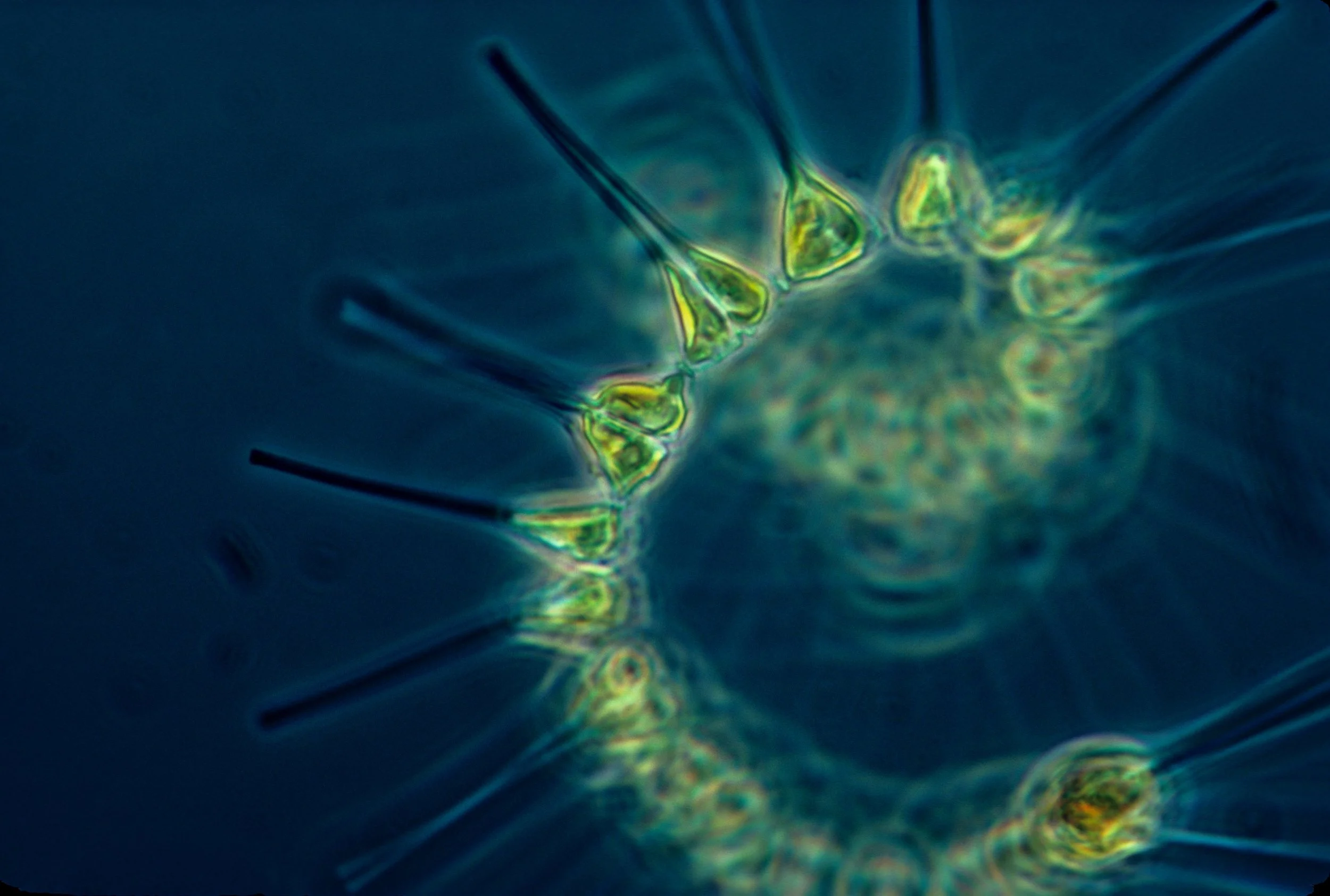
The Power of Phytoplankton: How Tiny Ocean Organisms Drive Energy and Sustainability
Phytoplankton are tiny, plant-like organisms that are critical to the health of the ocean and the planet as a whole. They produce up to 50% of the world's oxygen, form the base of the marine food chain, and play a vital role in the global carbon cycle. In this blog post, we explore the fascinating world of phytoplankton and their importance in driving energy and sustainability, as well as the challenges they face due to human activities.

Fish: A Food for the Broken-Hearted
Eating fish has long been known to be good for your health, especially your heart. Fish is an excellent source of protein, omega-3 fatty acids, and other nutrients that are essential for maintaining good heart health. In this blog, we'll explore why eating fish is good for your heart and how you can incorporate more fish into your diet. Read this blog to learn about the health benefits!
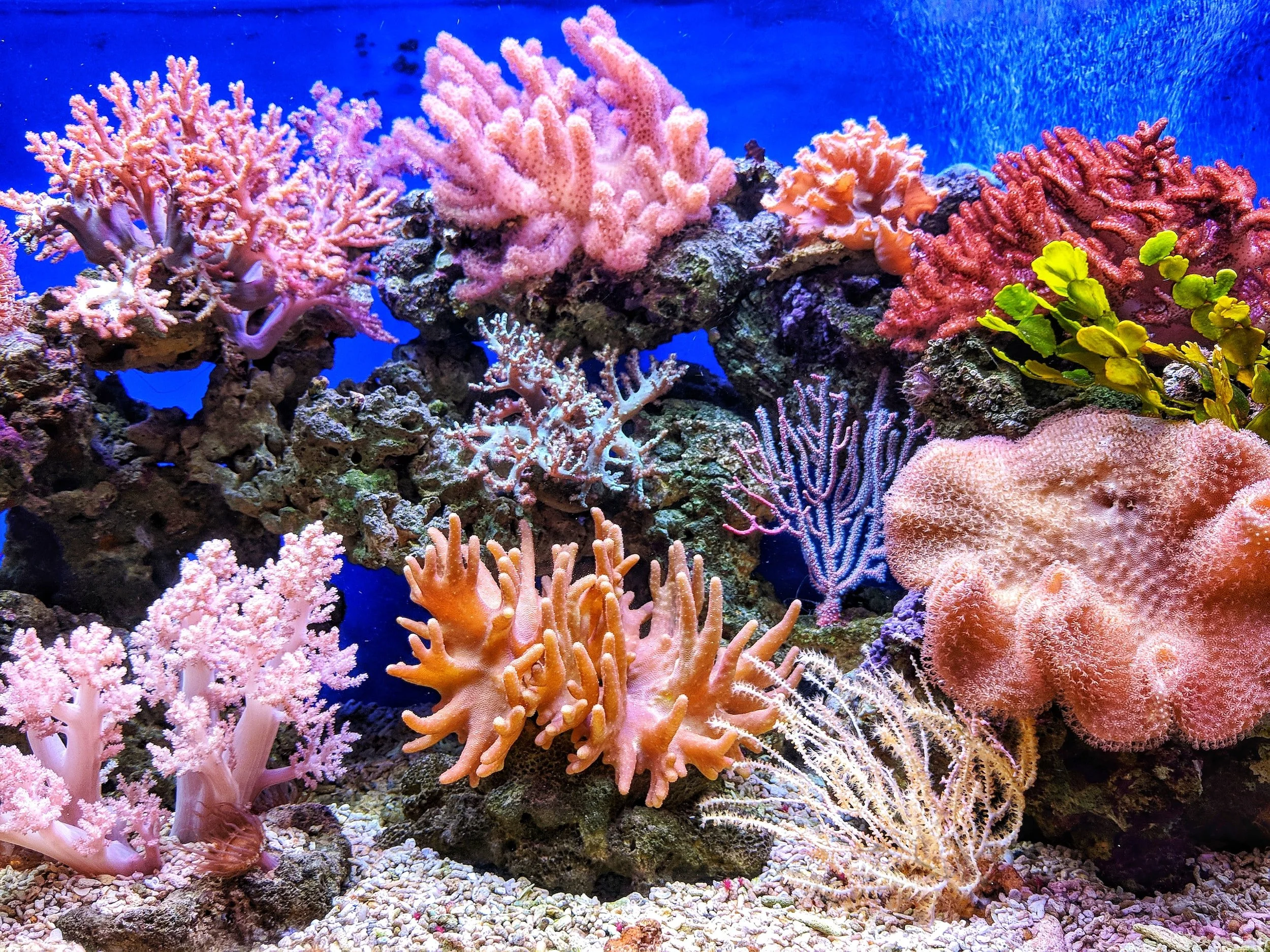
From the Ocean to Longevity: How Ocean-Derived Materials Can Boost Your Health and Vitality
Coral is a unique marine organism that offers a host of health benefits. In this blog post, we will explore the various health uses of coral, from its anti-inflammatory and pain-relieving properties to its ability to support bone health and boost immunity. We will delve into the scientific evidence supporting the use of coral in traditional medicine and alternative therapies, as well as its role in modern medical research. Whether you are interested in natural remedies or cutting-edge treatments, this post will provide valuable insights into the many health benefits of this fascinating ocean organism.

Unlocking the Secrets of Longevity: How to Use Materials from the Ocean
In this blog post, we will explore the use of ocean-derived materials for promoting longevity. We will delve into the various natural products and materials that can be sourced from the ocean, such as seaweed, fish oil, and marine collagen. These substances have been shown to provide a host of health benefits, including reducing inflammation, improving joint health, and enhancing skin elasticity. We will also discuss the scientific evidence supporting the use of these materials, and provide practical tips for incorporating them into your daily routine. Whether you are looking to improve your overall health or combat the effects of aging, this blog post will provide valuable insights into the power of ocean-derived materials.

Can the Ocean Boost Fertility? Exploring the Latest Research on Seafood and Reproductive Health
Research has shown that a diet rich in seafood from the ocean can have positive effects on fertility. The omega-3 fatty acids found in many types of fish and shellfish have been linked to improved sperm quality, ovulation, and pregnancy outcomes. Additionally, seafood is a good source of protein, vitamins, and minerals that are important for overall reproductive health. However, it is important to be mindful of the potential risks of environmental contaminants such as mercury, which can have negative effects on fertility. Overall, incorporating moderate amounts of low-mercury seafood into a balanced diet may have significant benefits for fertility and reproductive health.

The Health Benefits of the Ocean for Vegans: A Comprehensive Guide
Discover the many health benefits of the ocean for vegans in this comprehensive guide. From nutrient-rich plant-based foods to water-based activities that promote exercise and relaxation, the ocean is a valuable resource for those following a vegan lifestyle. Learn about the nutritional benefits of seaweed and microalgae, as well as the calming effects of spending time near the ocean. Explore how swimming and other water-based activities can provide an excellent form of exercise, and discover ways to minimize potential risks associated with ocean plants and swimming in polluted waters. Whether you're looking to add more variety to your diet or simply seeking a new way to unwind, the ocean has something to offer every vegan.
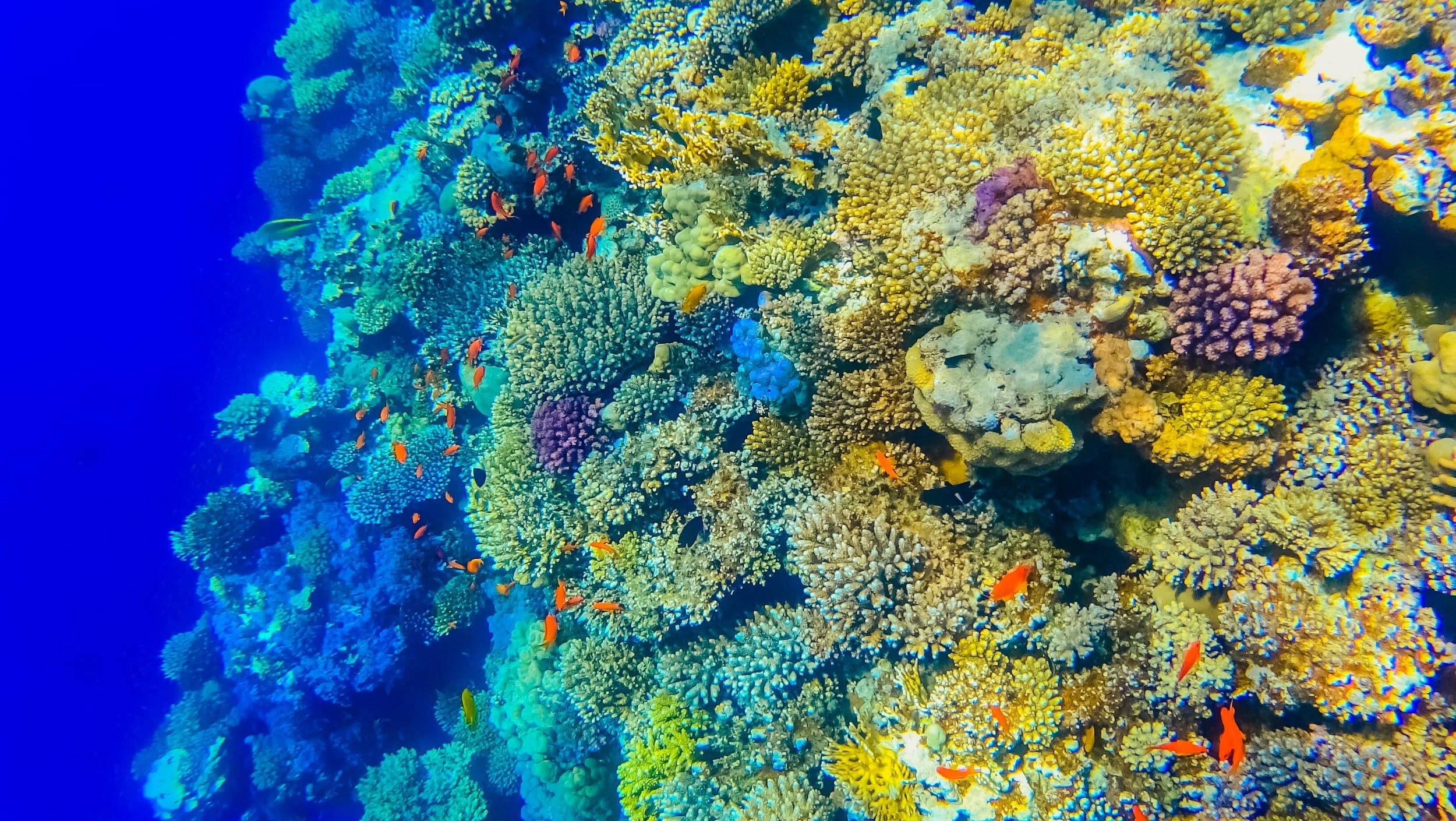
The Ocean's Rich Diversity: How Many Fish and Other Animals Live in the Vast Ecosystem and How Everything Functions Together
Discover the incredible biodiversity of the ocean in this informative blog post. From tiny plankton to massive whales, the ocean is home to a vast array of marine life, including fish, mammals, birds, reptiles, and invertebrates. Learn about the estimated 3 trillion fish that live in the ocean, and the many other animals that play important roles in the ocean's ecosystem. Explore the complex interactions between different organisms in the ocean, from the food chain to the impact of human activities like fishing and pollution. Find out how we can all take steps to protect and preserve this vital ecosystem for future generations.
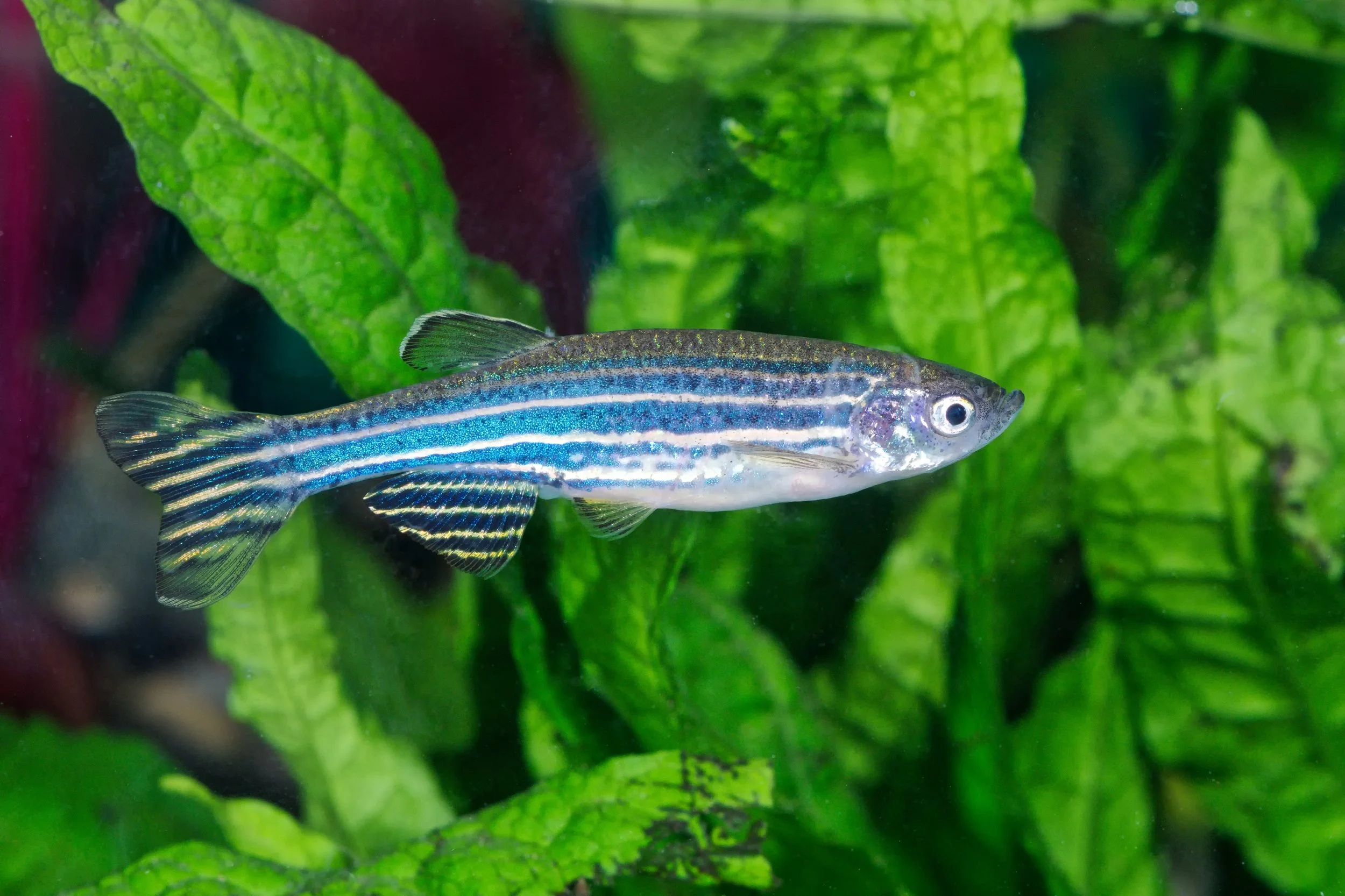
Zebrafish: A Versatile Model Organism for Biomedical Research
Zebrafish are being used to study a wide variety of diseases and conditions, including cancer, Alzheimer's disease, liver disease, and stem cell research. Zebrafish research is helping us to better understand human diseases and to develop new treatments and cures. In this blog post, we will discuss the benefits of using zebrafish as a model organism in biomedical research. We will also discuss the challenges of using zebrafish in research and the future of zebrafish research.

Fish: A Brain-Boosting Superfood
Did you know that Medical News Today cites that mothers who ate oily fish were more likely to give birth to children with “higher scores in tests of mental and social ability”? What are some of the other benefits of eating fish? Read this blog to find out!
