

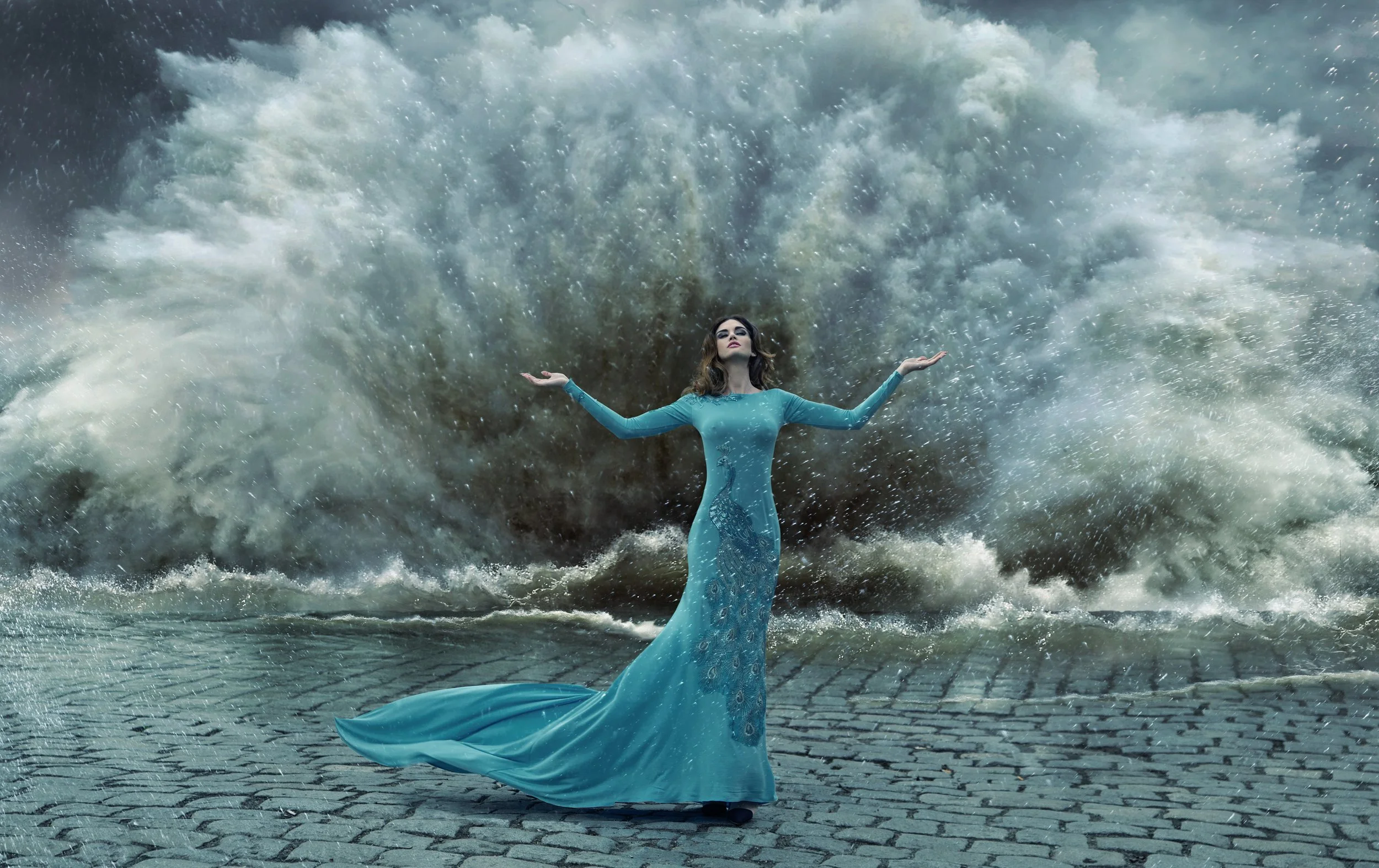
Riding the Wave of Sustainable Fashion: How Materials from the Ocean are Making a Splash
In this blog post, we explore how designers can use materials from the ocean to create sustainable fashion. From recycled plastic to seaweed, fish leather, and sea glass, we discuss the benefits of these materials and how they can reduce plastic pollution, support sustainable fisheries, and lower the carbon footprint of fashion. Join us as we dive into the world of ocean-inspired fashion and discover how designers can make a positive impact on the environment.
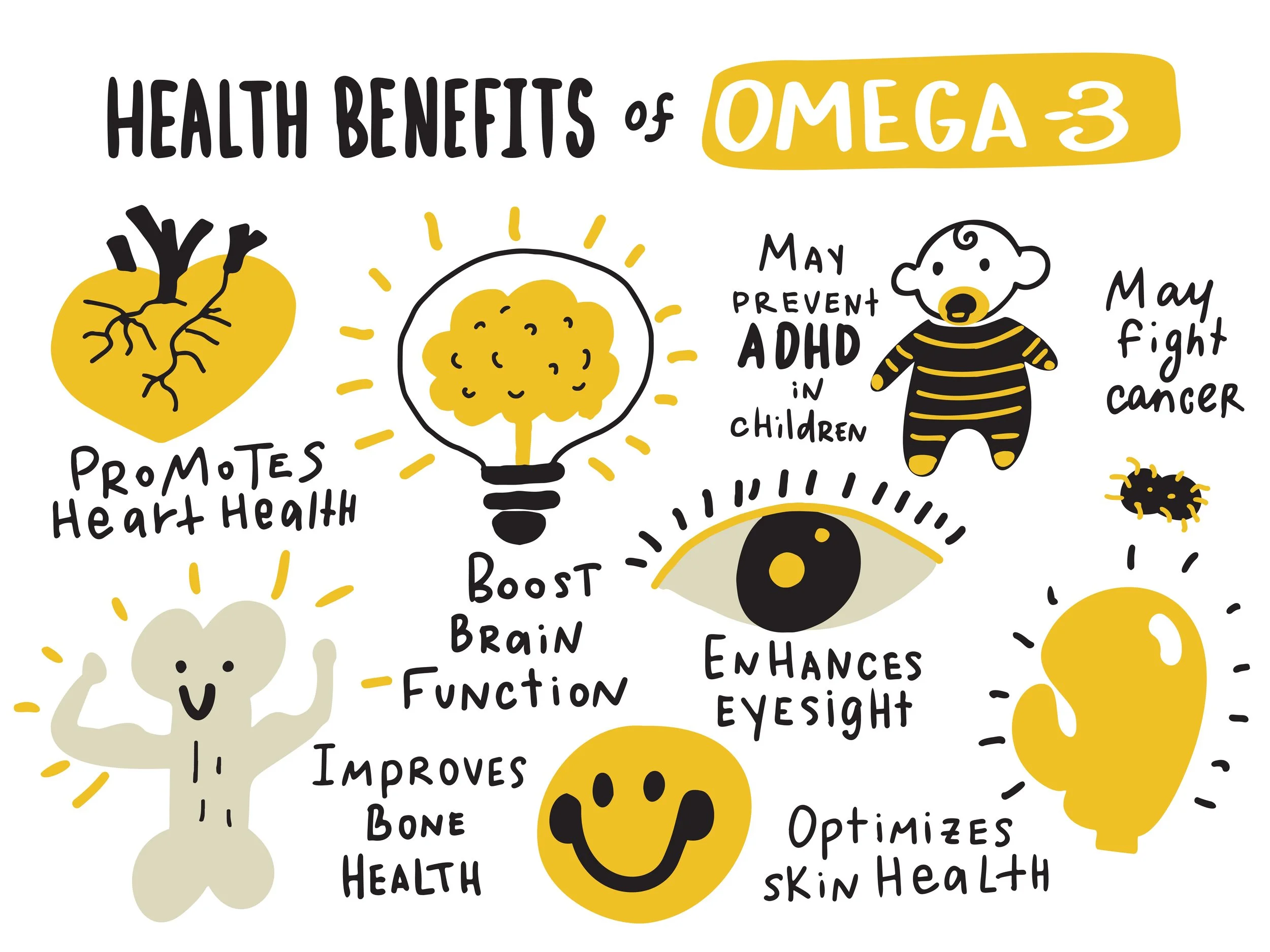
How Eating Fish Can Improve Your Heart Health, Brain Health, and More
Looking for a delicious and healthy way to improve your overall health? Look no further than fish! Packed with essential omega-3 fatty acids, vitamins, and minerals, eating fish regularly can improve heart and brain health, reduce inflammation, improve joint health, help manage weight, boost your immune system, and protect your eyes. In this blog, we explore the numerous health benefits of eating fish and why it should be a regular part of your diet.

Fishing for a Cure: Exploring the Potential of Marine Life in Developing Cancer Treatments
Looking for a new perspective on cancer research? Check out our latest blog, "Fishing for a Cure: Exploring the Potential of Marine Life in Developing Cancer Treatments." Learn how fish models can provide valuable insights into cancer biology, and how researchers are using this information to develop new treatments and cures. Discover the genetic similarities between fish and humans, and how this can help us understand the role of specific genes in cancer development. Don't miss out on this fascinating topic at the intersection of marine biology and oncology.
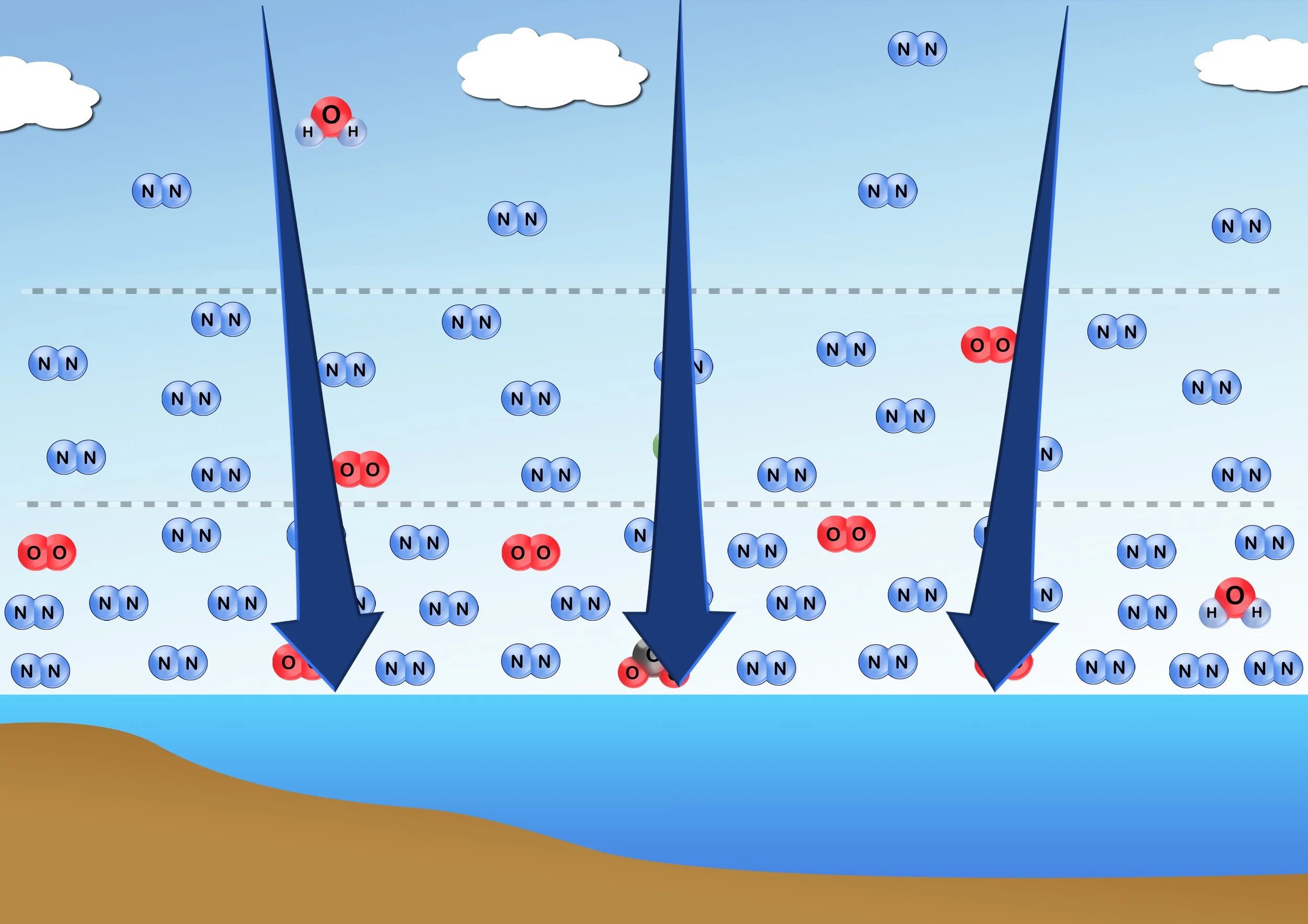
Riding the Waves: How Atmospheric Pressure Impacts Fish in the Ocean
In this blog post, we explore the impact of changes in atmospheric pressure on the ocean and its inhabitants, particularly fish. We delve into how changes in water temperature and density can impact fish behavior and physiology, ultimately affecting their survival. By understanding these changes, we can take action to protect the ocean and support sustainable fishing practices. The post provides insights on how we can work together to ensure our oceans remain healthy and abundant for generations to come.
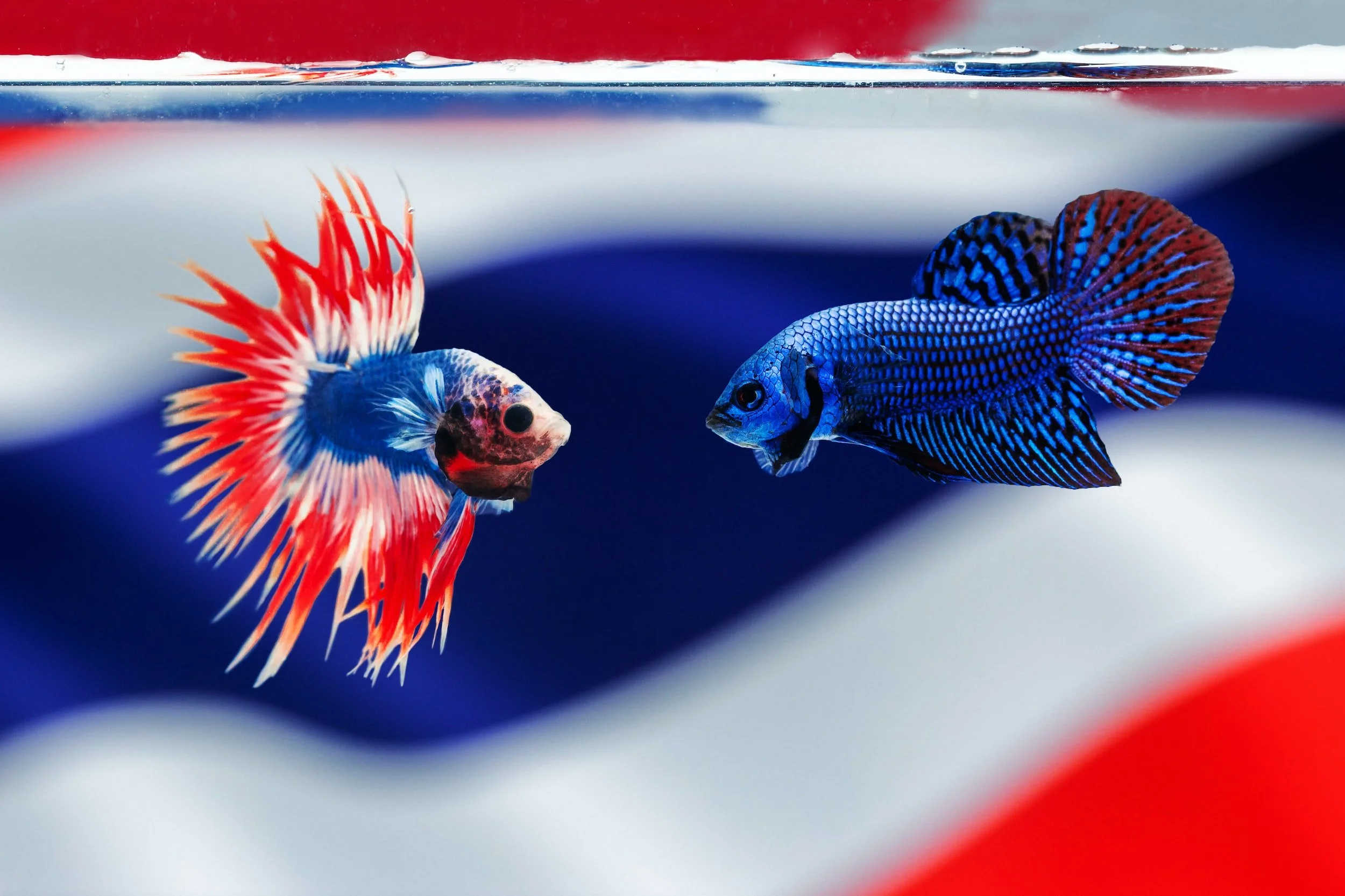
Gill-tastic Innovations: How Fish Gills are Inspiring Healthcare Products
This blog explores the fascinating ways in which the study of fish gills can inspire the development of more efficient, effective, and adaptable healthcare products. From optimizing surface area to incorporating natural materials, this blog highlights the key insights that we can learn from fish gills and how they can be applied to medical devices and treatments. The blog also touches on the exciting possibilities of developing new technologies based on biological principles, ultimately improving patient outcomes and quality of life.

The Secrets of High Altitude Plants: Lessons on Longevity and Resilience
This blog explores the fascinating world of plants that grow at high altitudes and their ability to thrive in extreme environments. We will delve into the unique adaptations that these plants have developed to survive and grow in harsh conditions, and what we can learn from them about longevity and resilience. From the ancient bristlecone pines of the American West to the vibrant alpine flora of the Himalayas, we will discover the amazing stories of these high altitude plants and how they can inspire us to live our own lives with greater strength and endurance.
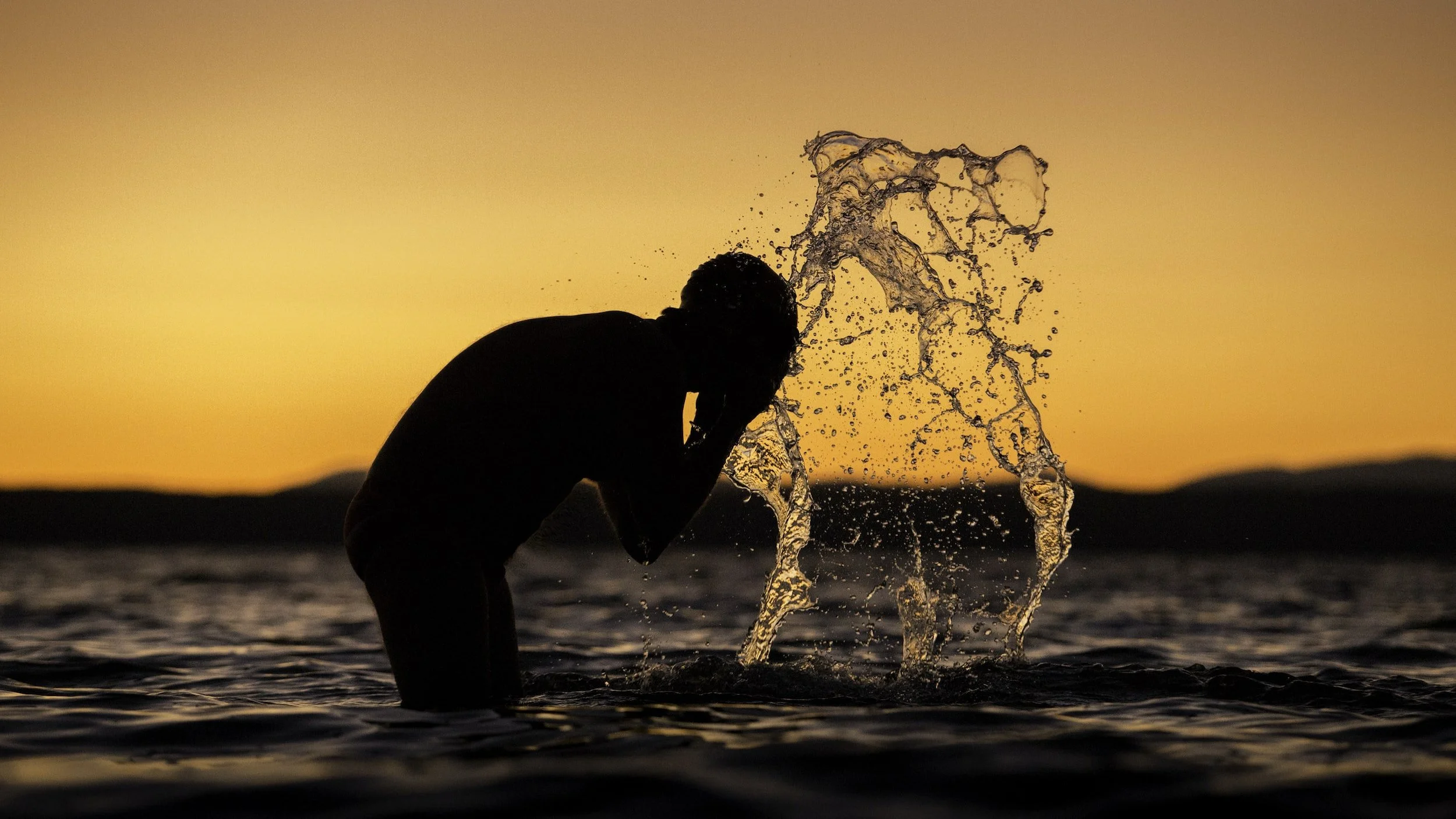
From Fish to Faucet: How We're Using Nature's Secrets to Create Clean Water
In this article, we explore the amazing adaptations that allow fish to drink sea water and how scientists are using this knowledge to create clean water for millions of people. Learn about the technologies being developed and the potential they have to improve access to clean water. Discover how the secrets of nature are being harnessed to tackle one of the world's biggest challenges.
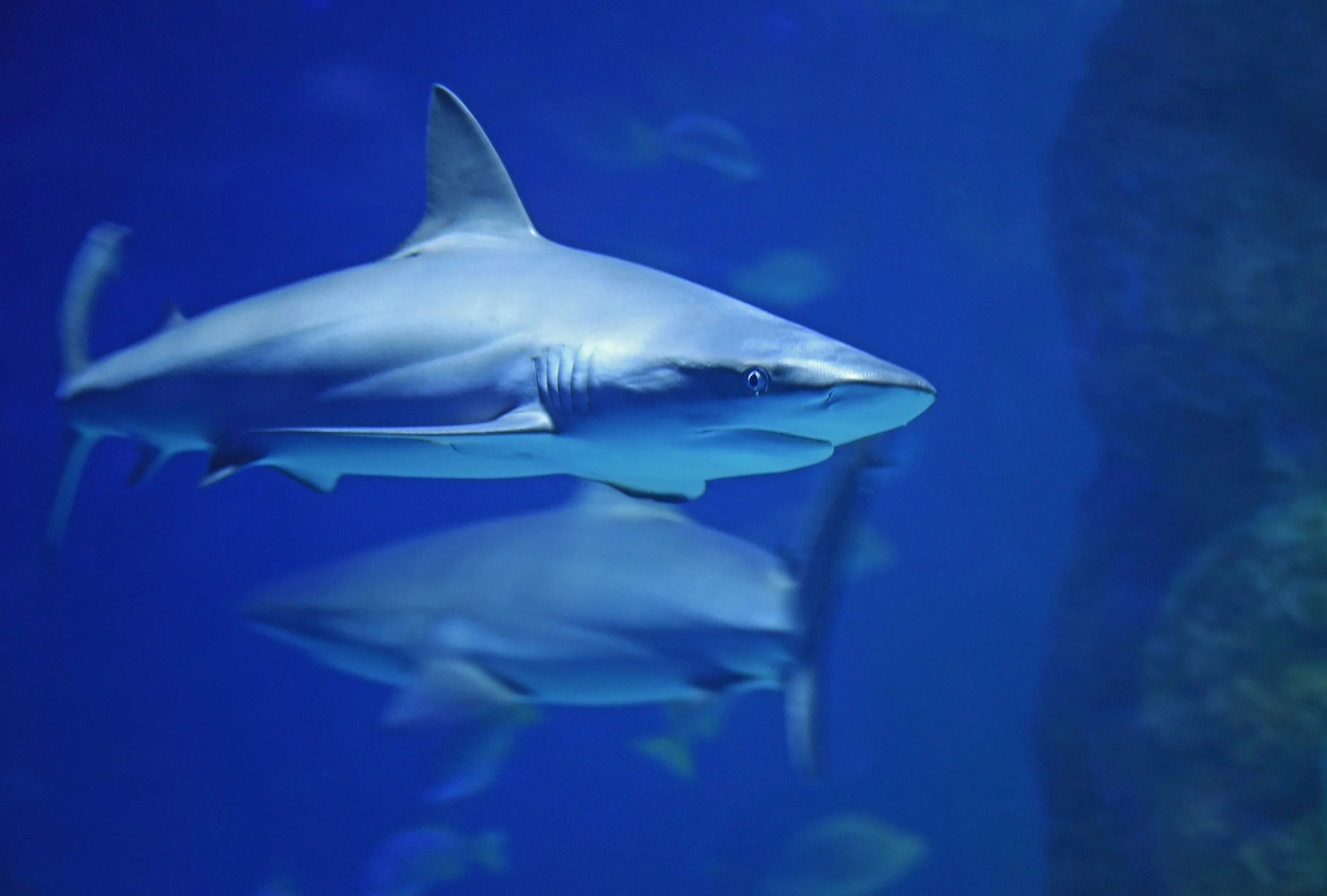
Shark Talk: The Surprising Ways Sound Affects these Fascinating Predators
This blog explores the fascinating world of how sound affects sharks. From how they hear to how sound can attract or repel them, we dive into the many ways that sound impacts the behavior of these incredible creatures. With a focus on the effects of noise pollution on shark behavior, this blog sheds light on the growing concern for the impact of human activity on sharks and their natural habitat. Discover the surprising ways sound affects sharks and the importance of protecting these fascinating predators.
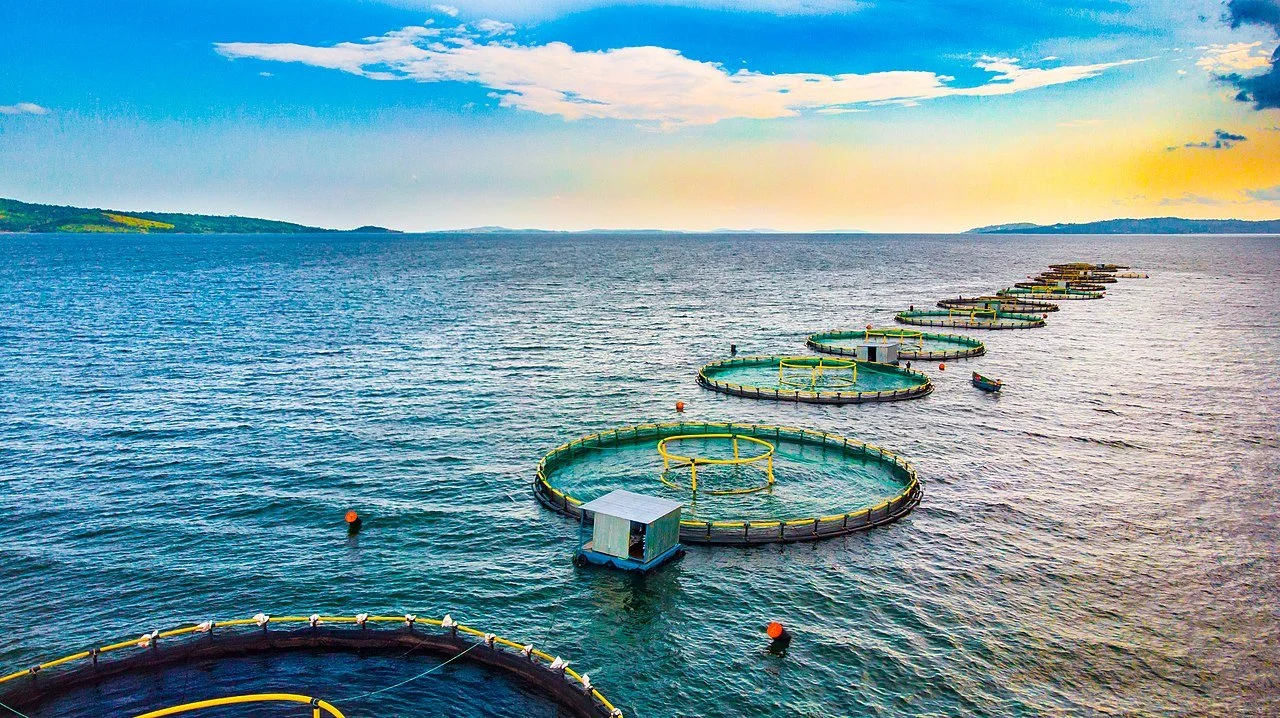
Germany's Sustainable Water Systems and Fishing Practices: A Model for Sustainability
This blog explores Germany's sustainable water management and fishing practices. It highlights innovative approaches to wastewater treatment, green infrastructure, and selective fishing techniques that benefit both the environment and the people who rely on them. Germany's diverse fishing industry and strict fishing regulations also serve as a model for responsible and sustainable fishing.
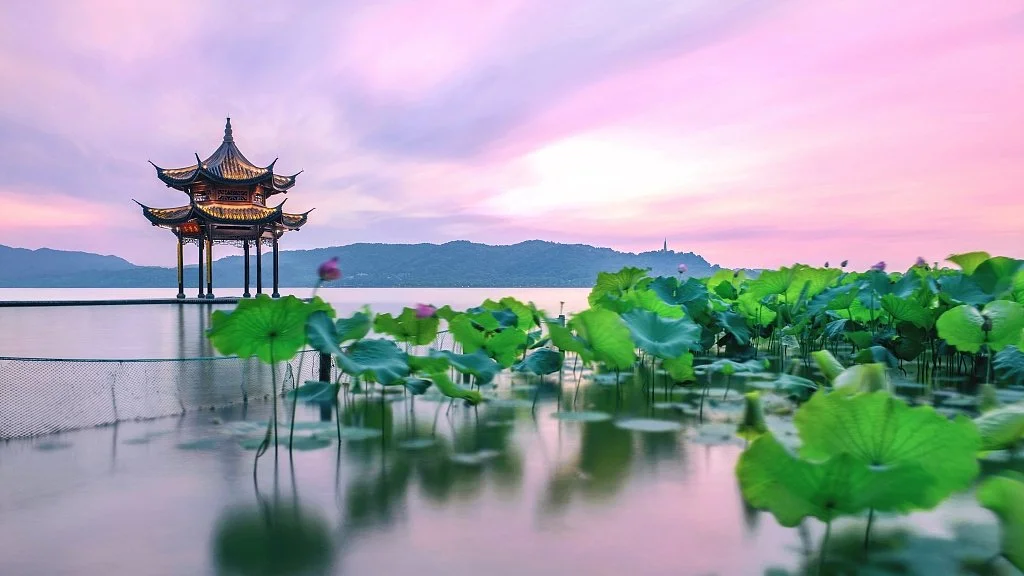
Casting a Line: Discovering the Best Fishing Spots in China
China is a country with a diverse range of landscapes, and this is reflected in the fishing opportunities it offers. Whether you prefer freshwater or saltwater fishing, China has plenty of options to choose from. From the tropical waters surrounding Hainan Island to the massive Yangtze River, there is no shortage of places to cast a line and catch a variety of fish species. Read this blog to learn more!

The Octopus Connection: How Studying These Creatures is Revolutionizing Healthcare
This article explores how studying octopuses is leading to healthcare developments that have the potential to improve the lives of people around the world. From regenerative medicine to pain management, drug discovery to soft robotics, the unique biology, behavior, and physiology of octopuses provide valuable insights that can revolutionize the way we think about health and disease.
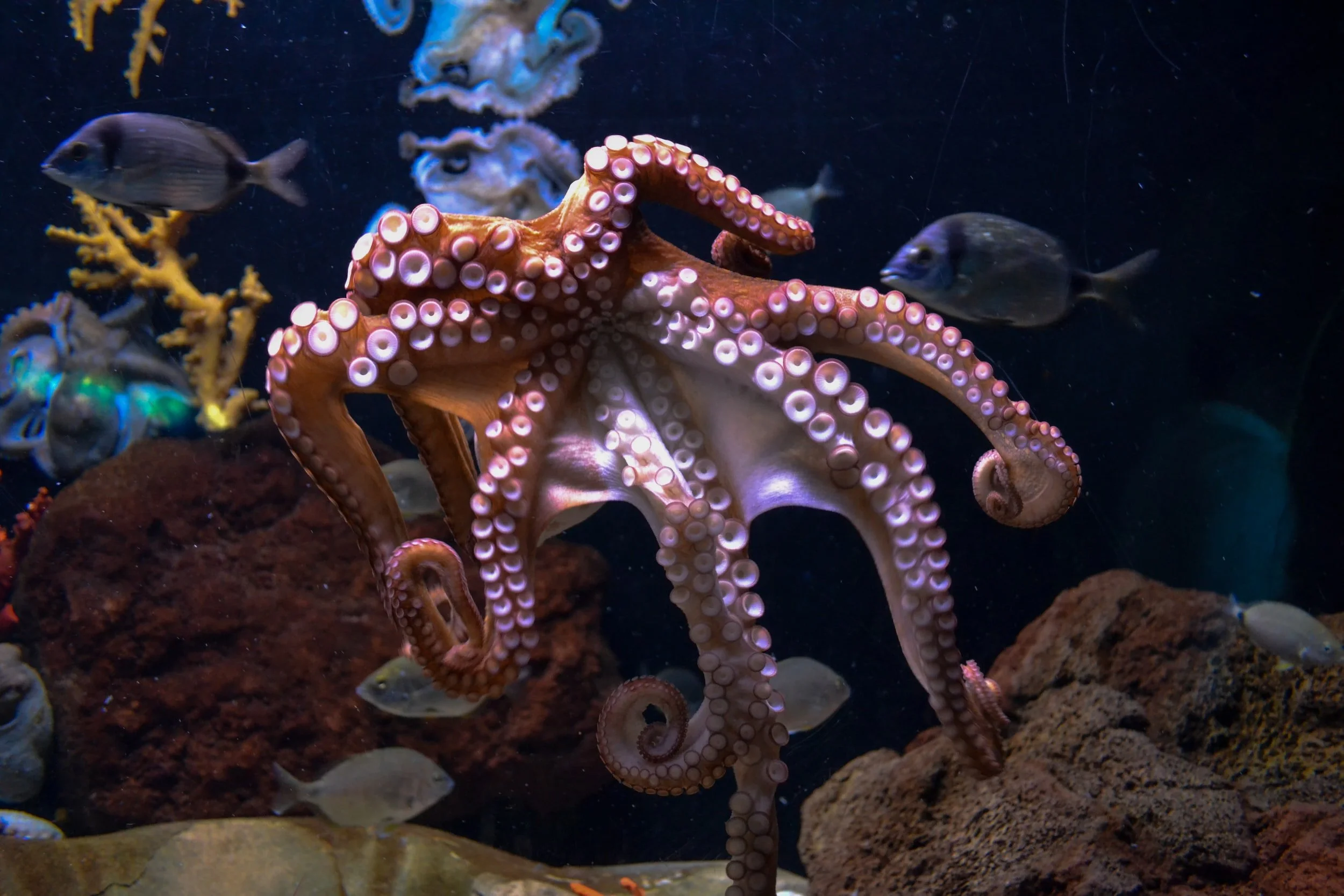
Unlocking the Enigma: Exploring the Fascinating Traits of Octopuses and Humans!
Octopuses and humans may seem like vastly different creatures, but they share some surprising similarities. Both species have complex nervous systems that allow them to process information, communicate with others, and coordinate their movements. They also have the ability to learn and remember information, exhibit a wide range of emotional and social behaviors, and engage in complex problem-solving. By studying these similarities, we can gain a deeper appreciation for the incredible diversity of life on our planet and the complex and interconnected nature of the natural world.
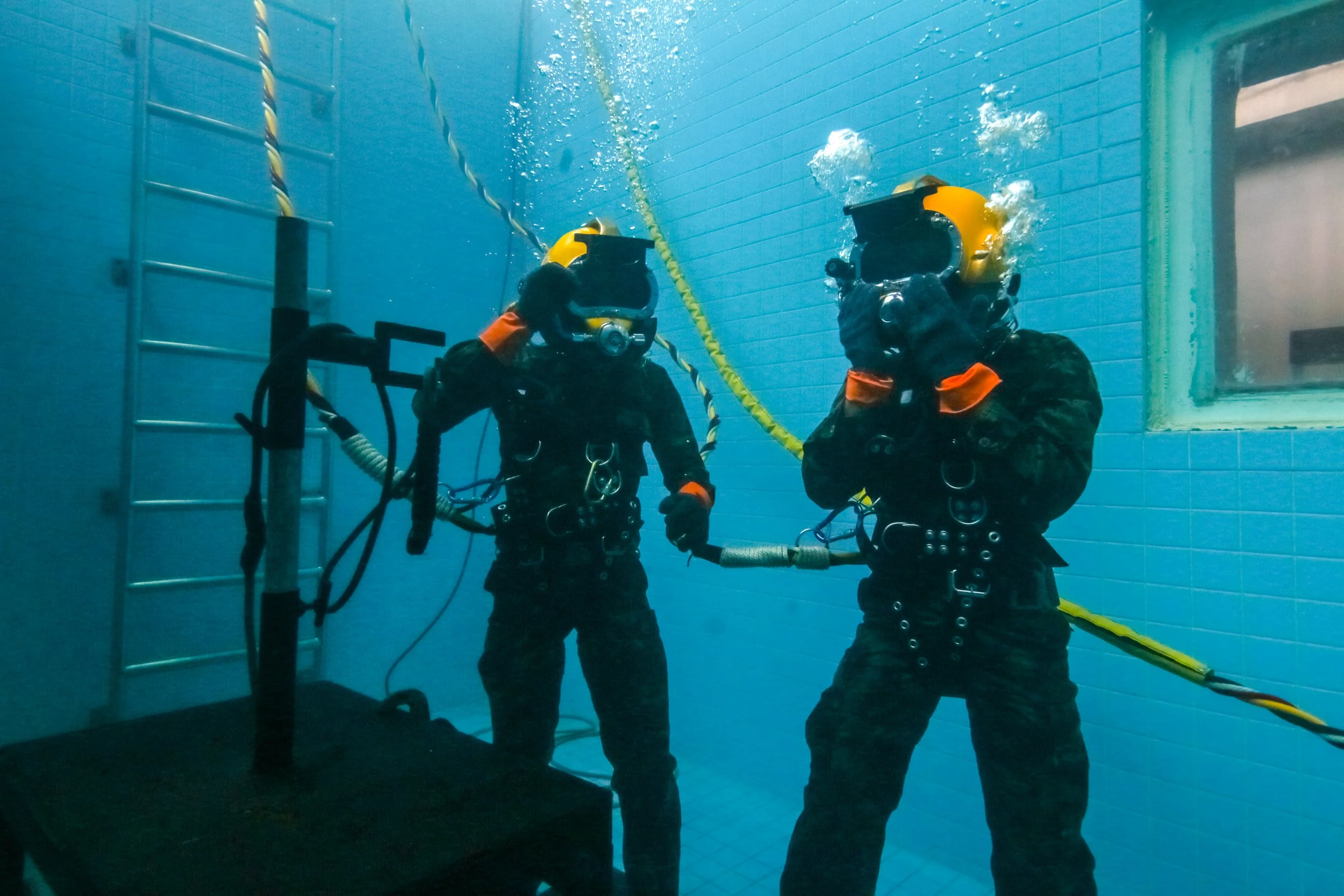
Ocean to Space: How Living in the Deep Sea Can Prepare us for Exploration Beyond Earth
In this blog post, we'll explore the similarities between the extreme environments of the ocean and space, and how living in the ocean can prepare us for long-duration spaceflight. From adapting to extreme conditions to coping with isolation and confinement, we'll examine how studying the ocean can provide valuable insights into human factors and help us develop and test new technologies for space exploration. Whether it's testing new undersea vehicles or studying deep-sea microbes, the lessons we learn from living in the ocean can help us take a step closer to our ultimate goal of human exploration of the universe.

Beyond the Horizon: Exploring the Surprising Similarities Between Space and the Ocean
This blog post explores the surprising similarities between two seemingly different frontiers: space and the ocean. From unexplored frontiers and extreme conditions to unknown life forms and specialized exploration tools, there are numerous similarities between these two areas of exploration. This post delves into how comparing space and the ocean can offer important insights into how we can better understand and explore both frontiers. Additionally, the post explores how the ocean has been used to study space, including the groundbreaking Atlantis mission that simulated the zero-gravity environment of space. Overall, this post provides a fascinating look into the striking similarities between space and the ocean, and why these similarities are important for human exploration and understanding of the universe.
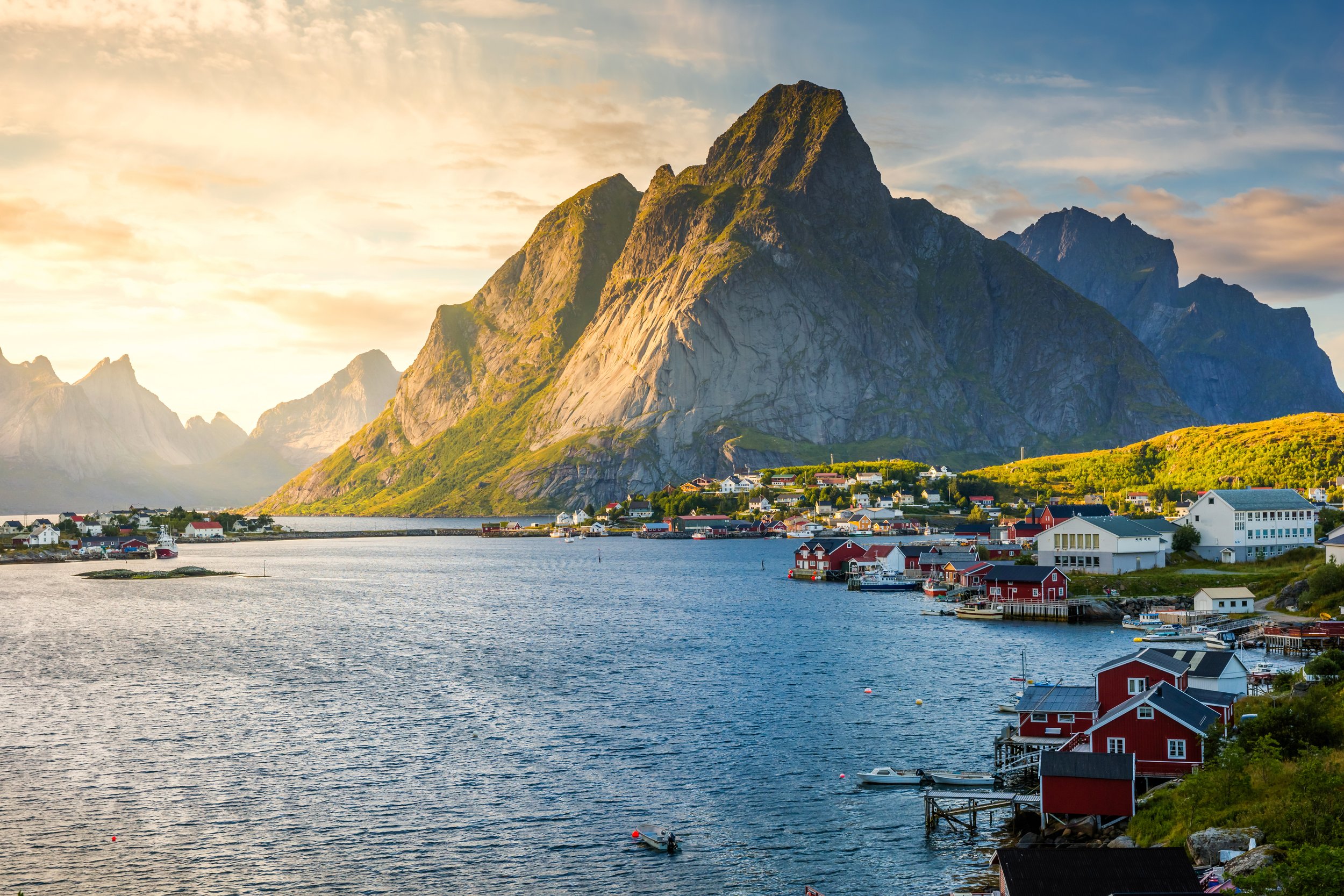
Fishing in the Nordic Regions: A Guide to the Best Spots and Techniques
Fishing in the Nordic Regions: A Comprehensive Guide to the Best Spots and Techniques. From world-class salmon fishing in Norway to the pristine lakes of Finland and the unique fishing opportunities in Iceland, the Nordic regions offer anglers a fishing experience like no other. In this blog, we explore the top spots for fishing in the Nordic regions and the best techniques to use, as well as tips for planning your next fishing trip. Whether you are a seasoned angler or new to the sport, this guide will help you make the most of your fishing adventure in the Nordic regions.
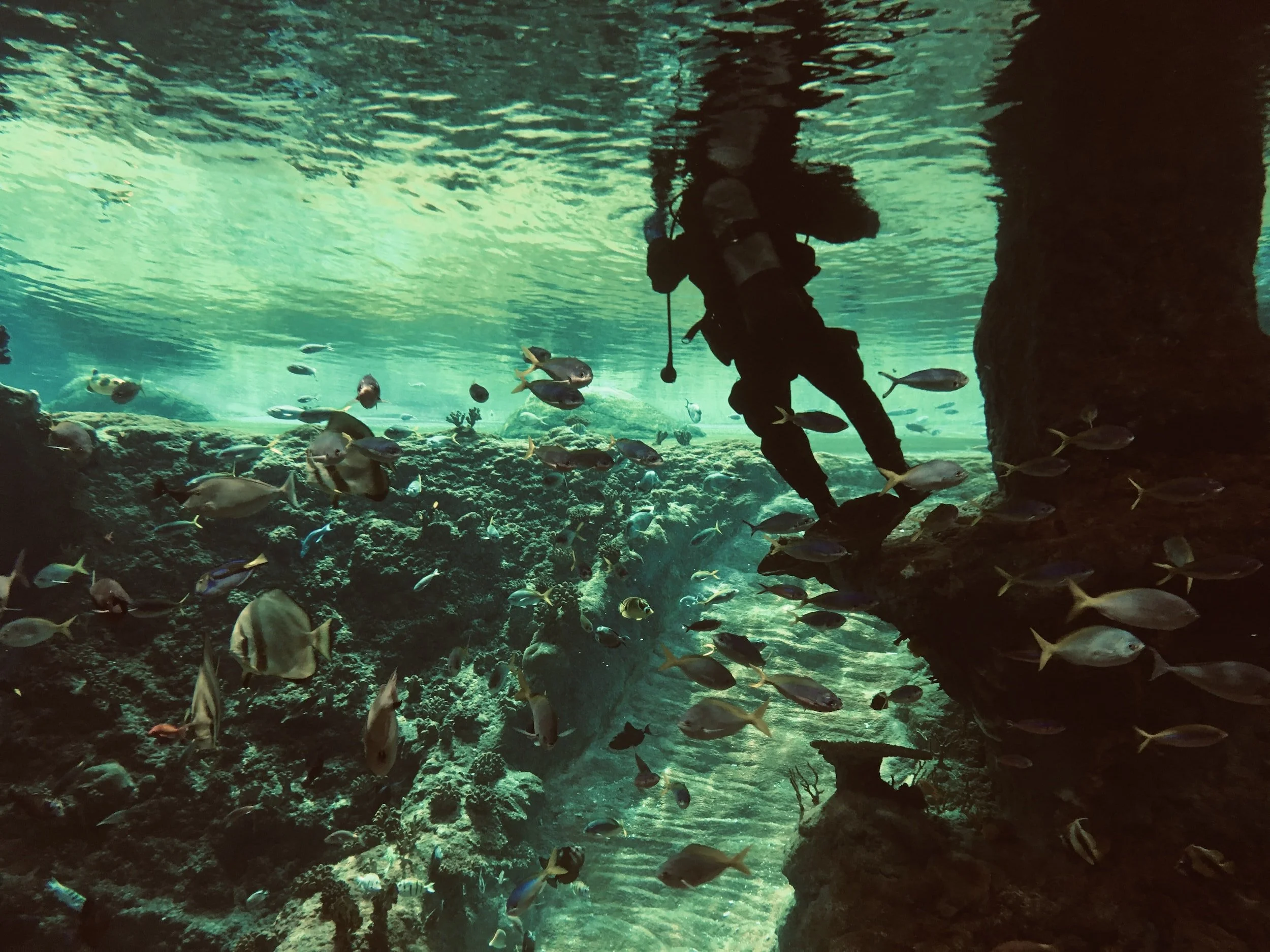
Make a Splash: 14 Fun and Exciting Things to Do Near the Water on Earth Day
This article highlights 14 enjoyable activities to do near the water, while also being mindful of our impact on the environment. As we celebrate Earth Day, it's important to remember that our actions have an impact on the planet, including the waterways and beaches we love to visit. By choosing sustainable practices, such as using reef-safe sunscreen and choosing boats powered by renewable energy sources, we can help preserve these natural wonders for future generations. Whether you're looking to relax and enjoy the sunset or experience an adrenaline rush with water skiing, there are plenty of ways to enjoy the water while also taking care of the planet. So, this Earth Day, consider choosing one of these eco-friendly activities and make a positive impact on the environment while having fun!
Photons and Algae: An Alternative Energy Source
Algae-based biofuels are an emerging alternative to traditional coal and fossil fuels. They offer several advantages, including their renewability, sustainability, and significantly lower greenhouse gas emissions. Algae can also be grown on non-arable land and wastewater, reducing competition with food crops and minimizing the environmental impact of cultivation. Moreover, algae-based biofuels have the potential to be more cost-effective than fossil fuels, as they do not require expensive exploration, drilling, or transportation infrastructure. Finally, the use of algae-based biofuels could create new economic opportunities, including job creation and increased investment in research and development. These advantages make algae-based biofuels a promising and attractive option for a more sustainable and resilient energy future.
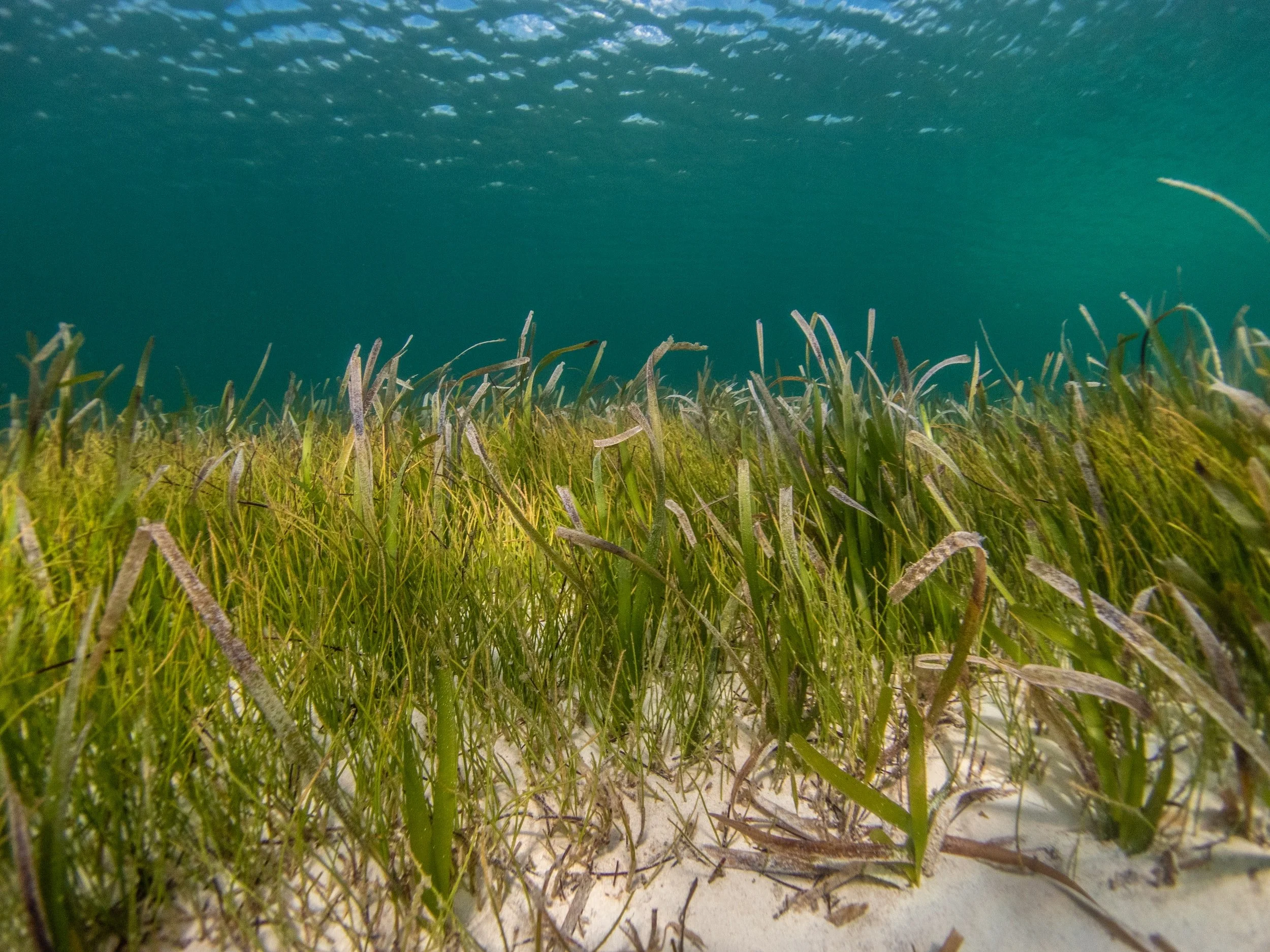
Seagrass: The Hidden Gem of the Ocean
Seagrass is the hidden gem of the ocean. It is a type of marine flowering plant, is found in coastal ecosystems around the world. It plays a crucial role in maintaining healthy coastal ecosystems, as it provides habitat for a variety of marine life and helps prevent erosion along shorelines. But seagrass has also been found to have a number of other uses, ranging from biodegradable products to medicine. Read the blog to learn about all the different use cases!
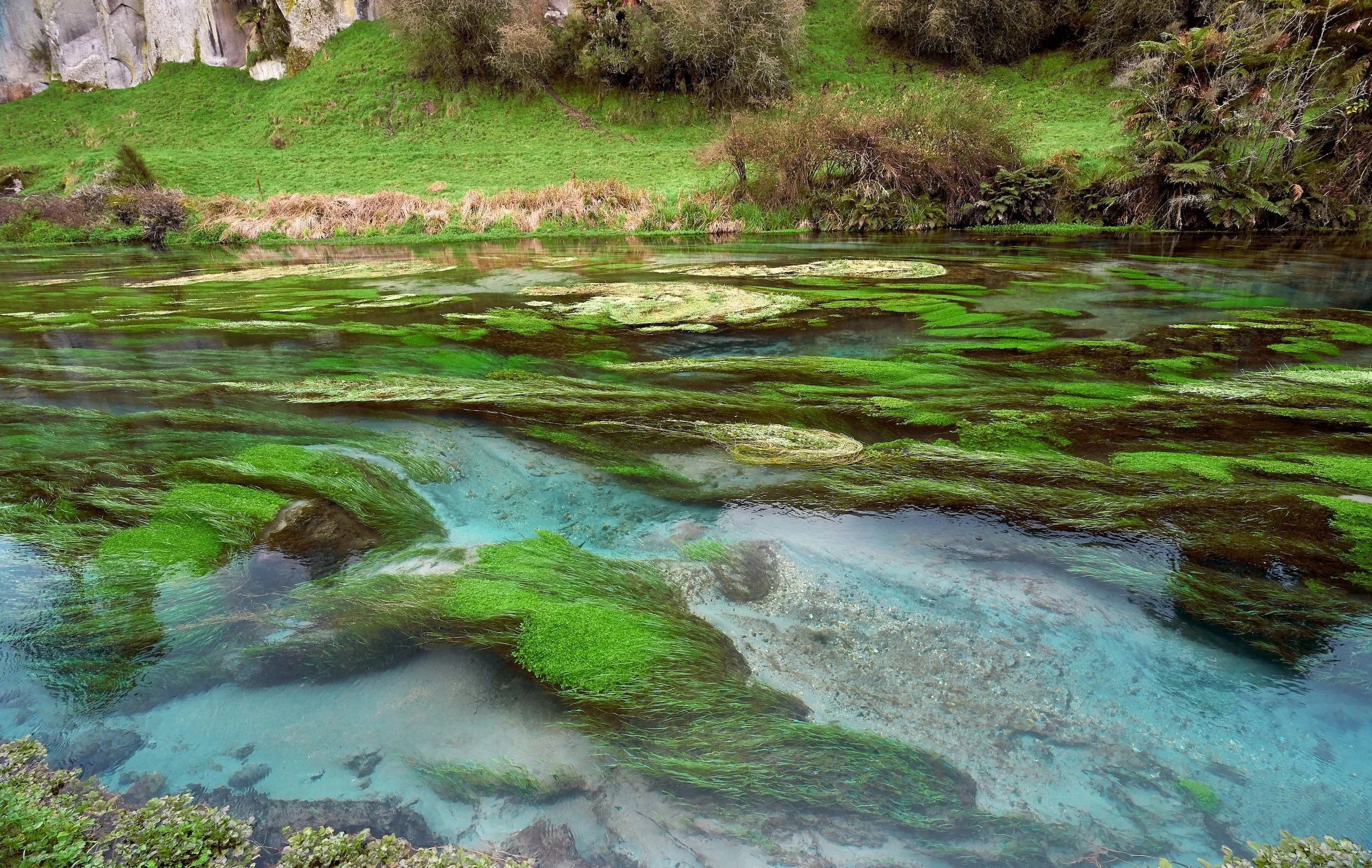
Algae: The Green Gold of the 21st Century
Algae is “The Green Gold of the 21st Century”. Algae are photosynthetic organisms that can be found in both freshwater and saltwater environments. They are a diverse group of organisms, and they play an important role in the environment. What are the top 5 use cases? Read more to learn!
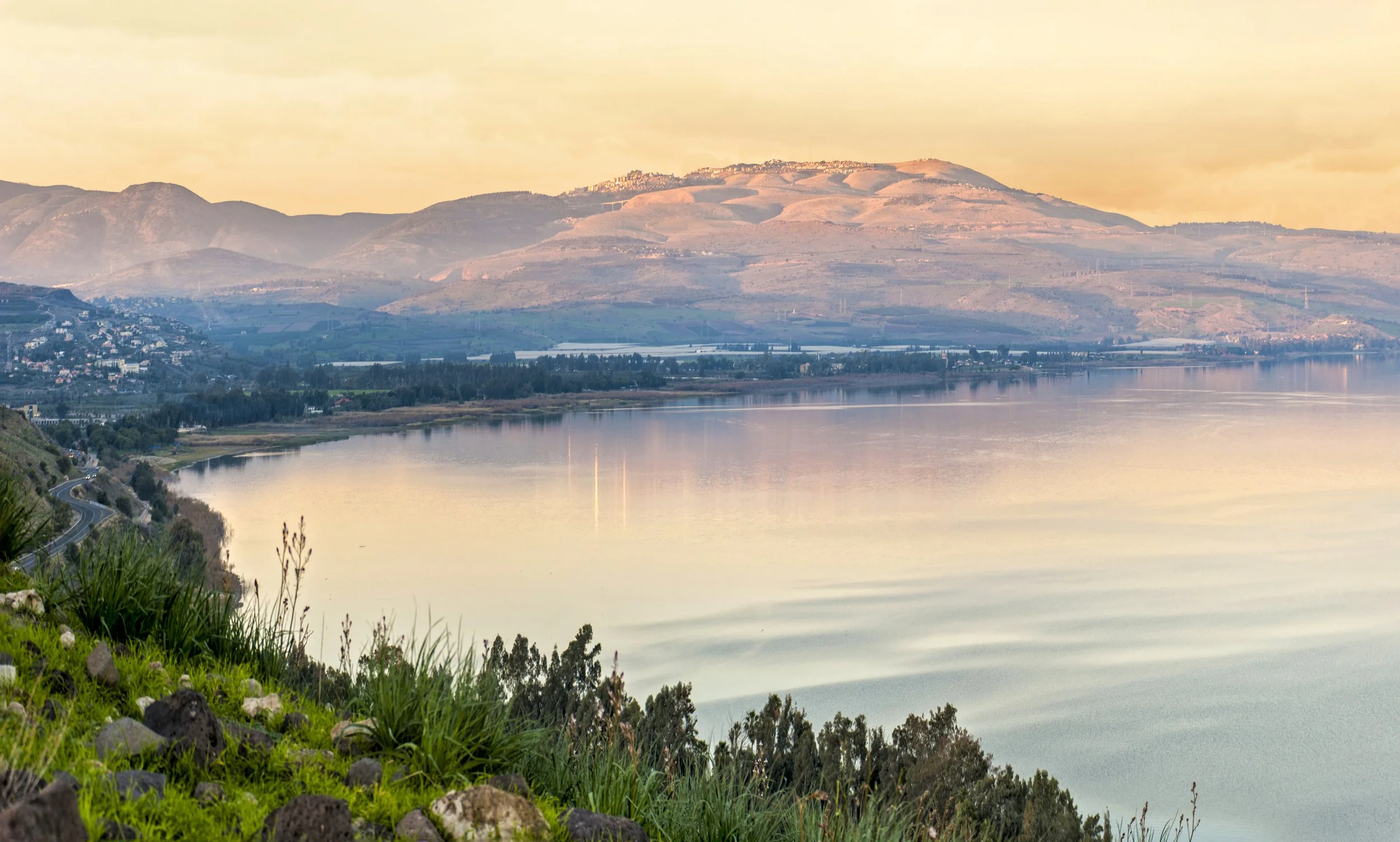
Catch of the Day: Discovering the Best Fishing in Israel
Israel is a country with a diverse range of fishing opportunities, from the Mediterranean coast to the Sea of Galilee and the Jordan River. Whether you are an experienced angler or a beginner, fishing in Israel offers a unique and exciting experience. In this blog post, we will explore the top fishing spots in Israel, the best times to fish, and some tips for a successful fishing trip.
