


Rejuvenating the Seas: Recycling Hardware Products to Preserve our Oceans
With electronic waste posing a grave threat to our oceans, recycling hardware products is a crucial step towards conservation. By responsibly disposing of devices and utilizing certified recyclers, we can prevent hazardous materials from contaminating marine environments. Donating functional products to refurbishment programs or trading them in for discounts further reduces waste. Prioritizing data sanitization safeguards personal information while promoting sustainable practices. By raising awareness and educating others about the benefits of recycling, we can work collectively to preserve our oceans. Let us take action now to protect these vital ecosystems and create a sustainable future for generations to come.

Harnessing Animal Abilities: Developing Technology Inspired by Animal Detection of Natural Disasters
Animals possess innate abilities to detect natural disasters, prompting researchers to develop technology based on their unique traits. By observing animal behavior, scientists gain insights into early warning signs. Sensory technology replicates animals' acute senses, aiding in gas leak and seismic activity detection. Bioinspired robotics, such as snake-like search and rescue robots, navigate hazardous terrain. Data analytics and machine learning, combined with real-time data, improve disaster forecasting. Citizen science and animal observatories gather crucial information, enhancing our understanding of animal responses. By harnessing animal abilities, we can develop innovative technology that saves lives and mitigates the impact of natural disasters.
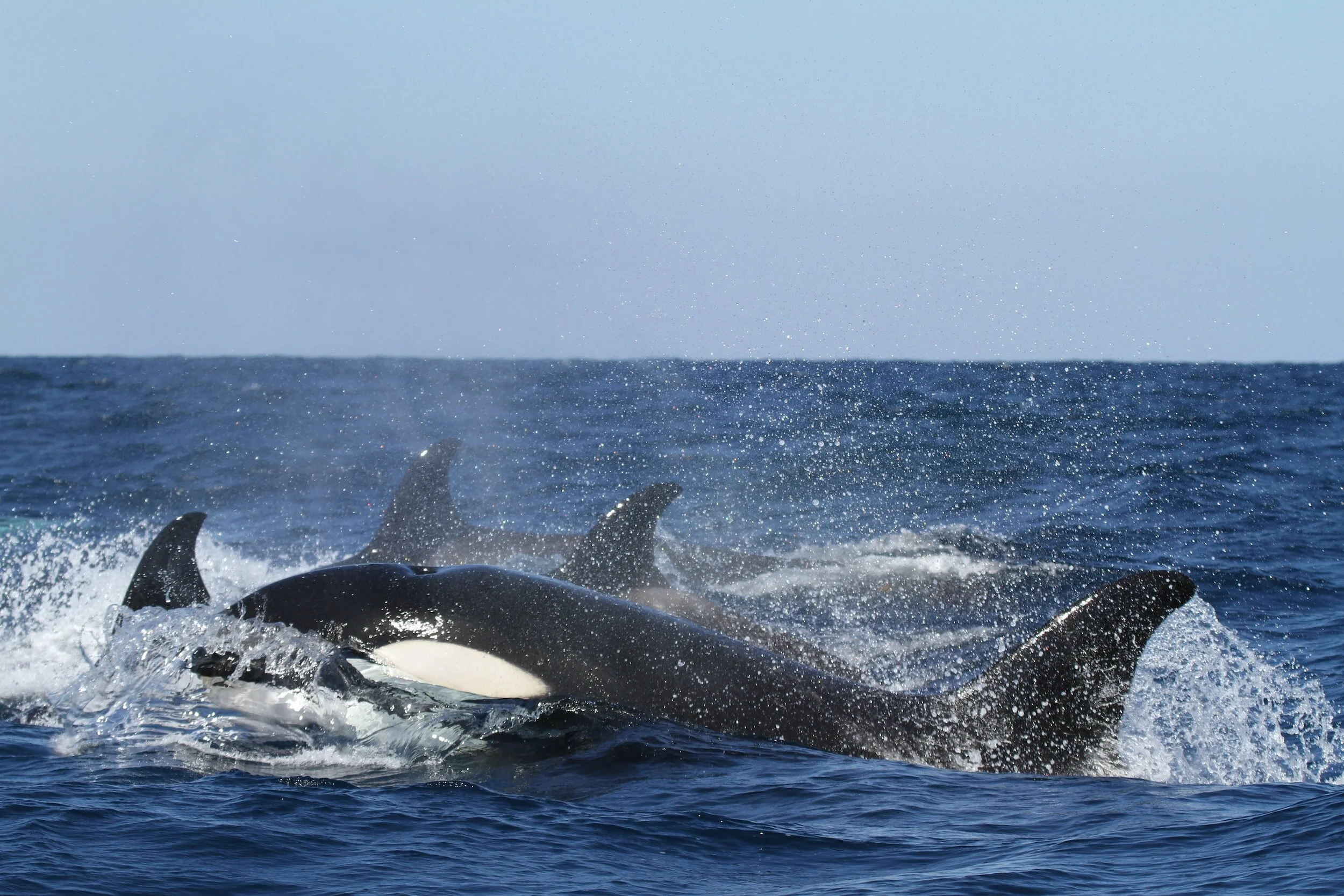
Part 2: Analyzing Relationships Between Predator and Prey
When a predator becomes too empowered in a marine ecosystem, it can trigger a chain of consequences. Prey populations decline, causing a trophic cascade that disrupts the food chain. Species composition shifts, leading to imbalances and reduced diversity. Trophic interactions are disrupted, potentially causing species extinctions. Ecosystem instability arises as energy flow and nutrient cycling are altered. Human activities can also be impacted, affecting fisheries, livelihoods, and tourism. An overpowered predator can disturb the intricate web of life, creating ripple effects throughout the ecosystem. Understanding and managing predator-prey relationships is crucial to maintain a healthy and balanced marine ecosystem.

Part 1: Utilizing Community Detection Algorithms to Identify Predators Threatening Oceanic Prey
Community detection algorithms provide a valuable tool for identifying ocean predators that are significantly impacting prey populations. By constructing a network of predator-prey interactions and applying these algorithms, clusters of highly interconnected species can be revealed. These communities highlight predators with a strong association within specific groups, indicating their potential for excessive prey destruction. Understanding the structure of these communities enables targeted conservation efforts to safeguard vulnerable prey species and maintain ecological balance. Through data collection and analysis, community detection algorithms offer valuable insights into predator-prey dynamics, aiding in the development of effective management strategies for the protection of marine ecosystems.
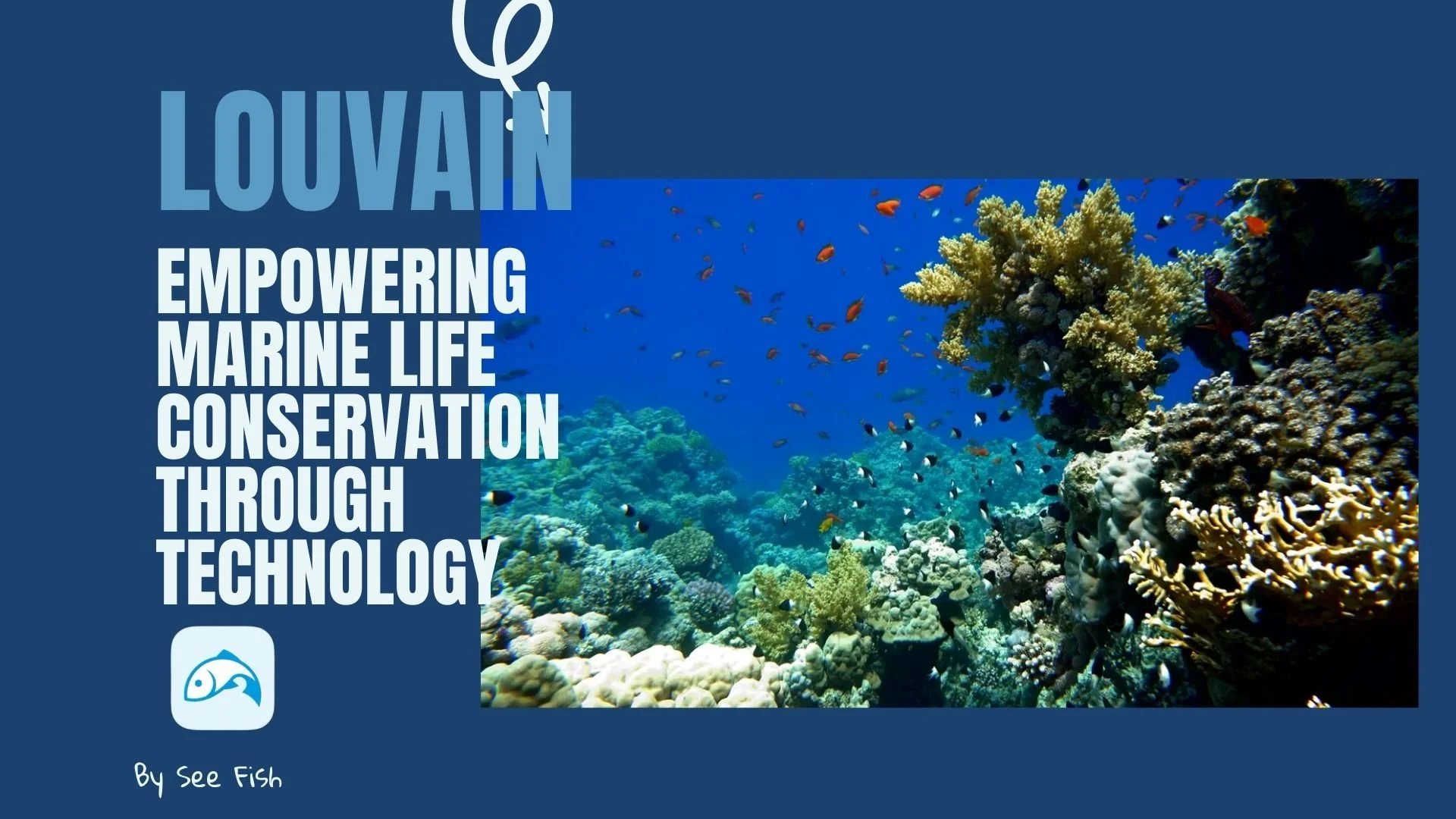
Louvain: Empowering Marine Life Conservation through Technology
Louvain, an advanced data analysis algorithm, is transforming marine life conservation. By detecting communities within networks, it enables scientists to understand species interactions, identify vulnerable areas, assess ecosystem health, and design effective conservation strategies. Louvain's ability to uncover intricate relationships between marine species aids in studying predator-prey dynamics and symbiotic associations. It also helps identify regions at risk and guides the creation of marine protected areas. By monitoring community structures over time, Louvain detects changes, highlighting threats and prompting timely conservation measures. This technology empowers researchers to maximize their efforts in safeguarding marine ecosystems and ensuring the future health of our oceans.
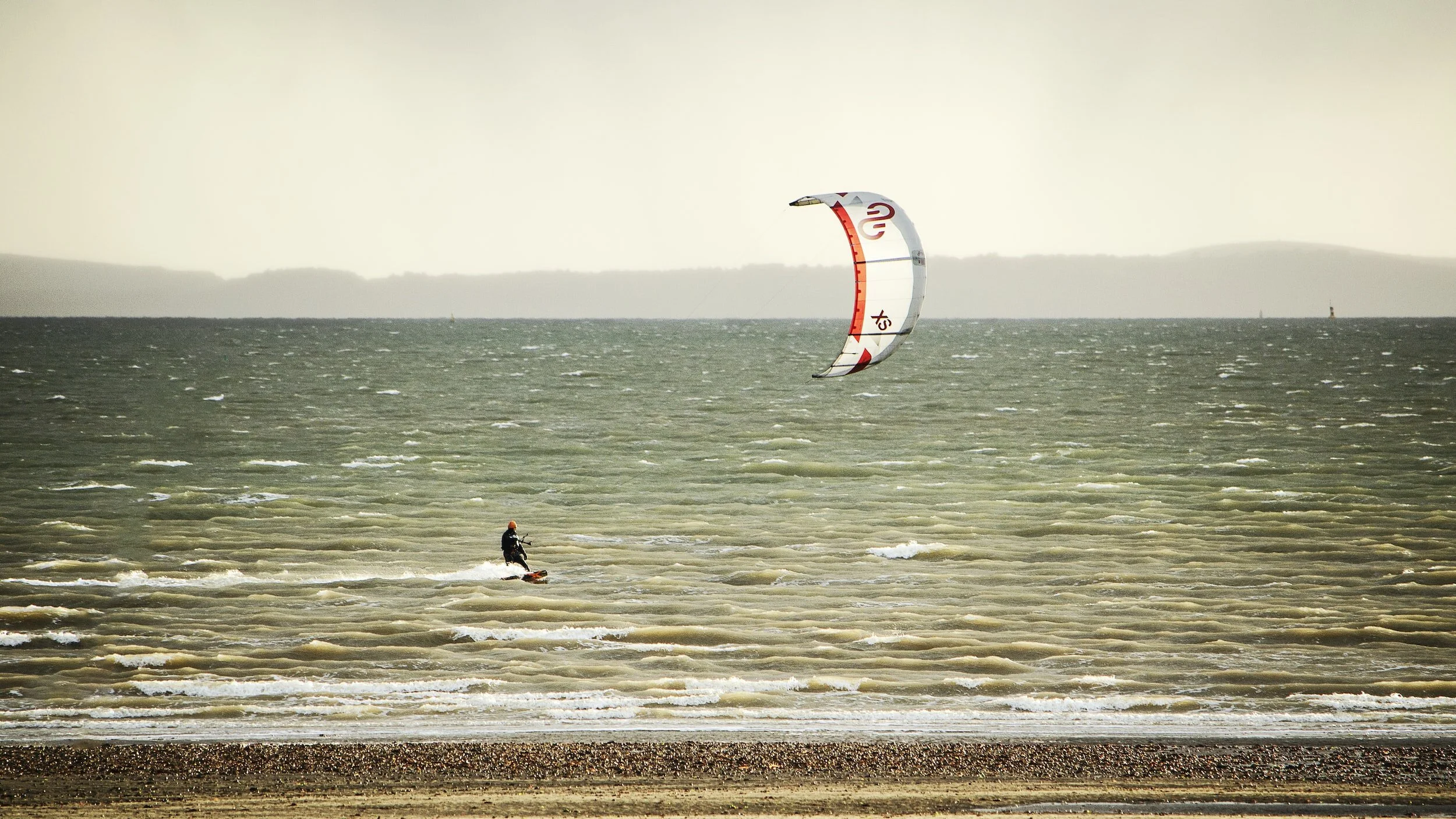
Harnessing the Winds of Entrepreneurship: The Parallels Between Kitesurfing and Business
Kitesurfing and entrepreneurship share remarkable similarities. Both require embracing challenges, taking calculated risks, and being adaptable. The focus and mindfulness needed in kitesurfing mirror the determination and attentiveness required in entrepreneurship. Goal setting, planning, and building a supportive community are crucial in both realms. The thrill of independence and freedom drives kitesurfers and entrepreneurs alike. By recognizing these parallels, entrepreneurs can harness the lessons learned from kitesurfing, such as resilience and seizing opportunities, to navigate the business world. So, let's ride the waves of entrepreneurship, fueled by the spirit of kitesurfing, and soar to new heights of success.
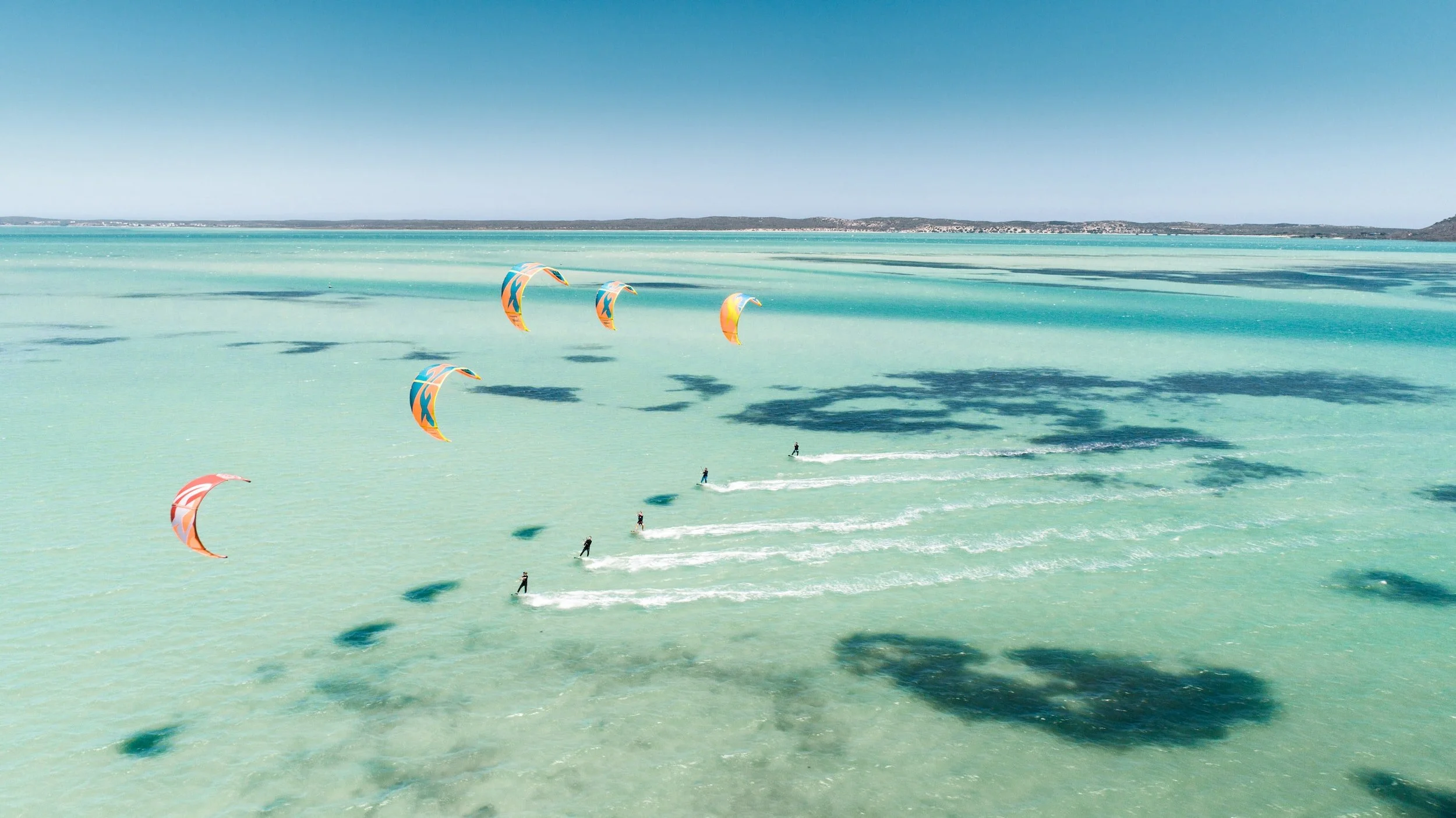
Catch the Wind: 7 Exhilarating Kitesurfing Destinations Worldwide
Kitesurfing has taken off around the world! 1.5 million people kitesurfing and its only growing! Read about the top locations!
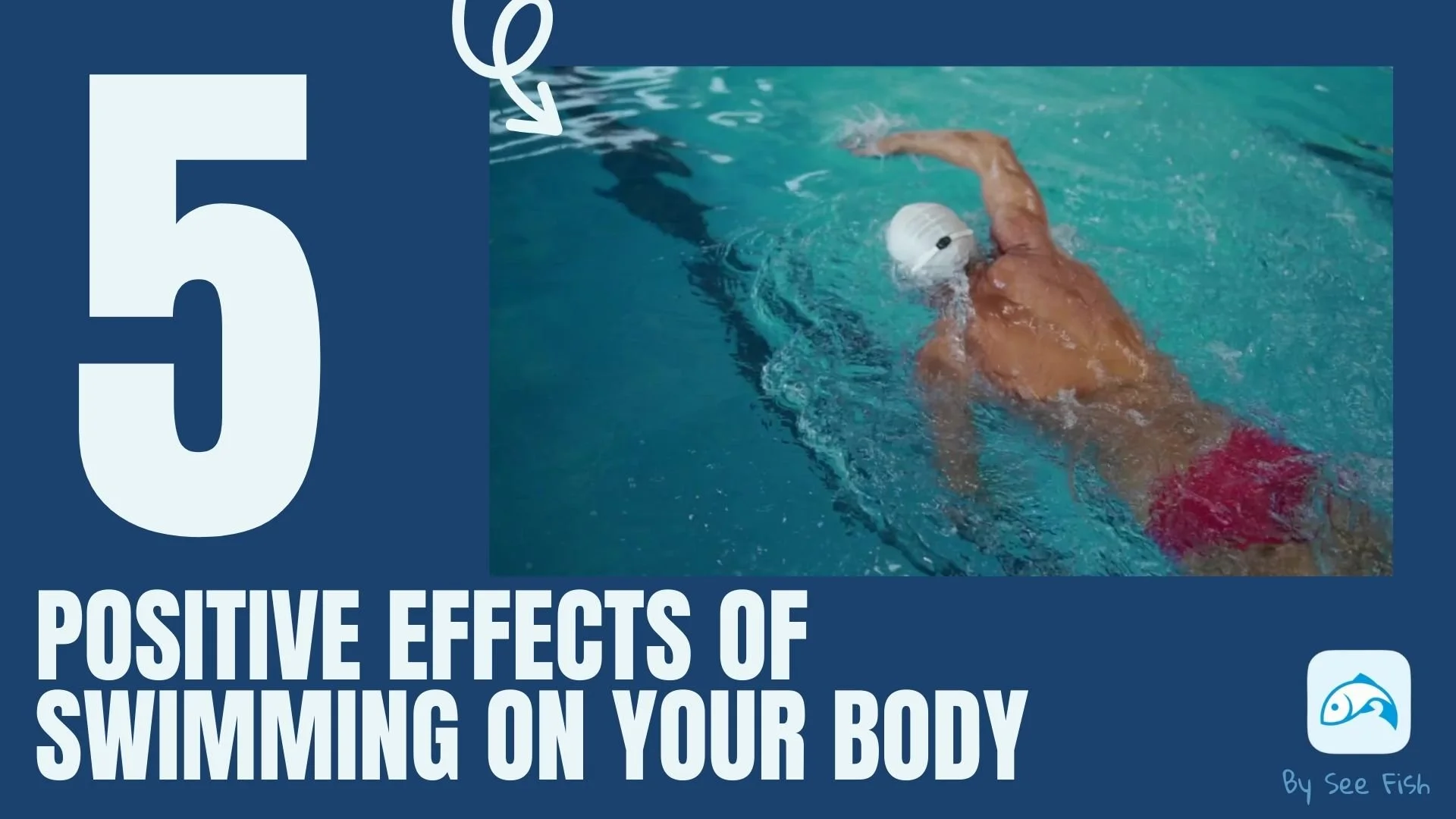
5 Positive Effects of Swimming on Your Body
Swimming is a comprehensive workout that benefits your entire body. It builds strength and endurance, tones muscles, and improves cardiovascular health. The resistance of the water challenges your muscles, promoting muscle growth and increased flexibility. Swimming is a low-impact exercise that puts minimal stress on joints, making it suitable for people of all ages and fitness levels. It helps maintain a healthy weight, improves lung capacity, and enhances overall fitness. Swimming also provides mental relaxation, reduces stress, and promotes a sense of well-being. From head to toe, swimming offers a full-body workout, leaving you feeling energized, rejuvenated, and in great shape.
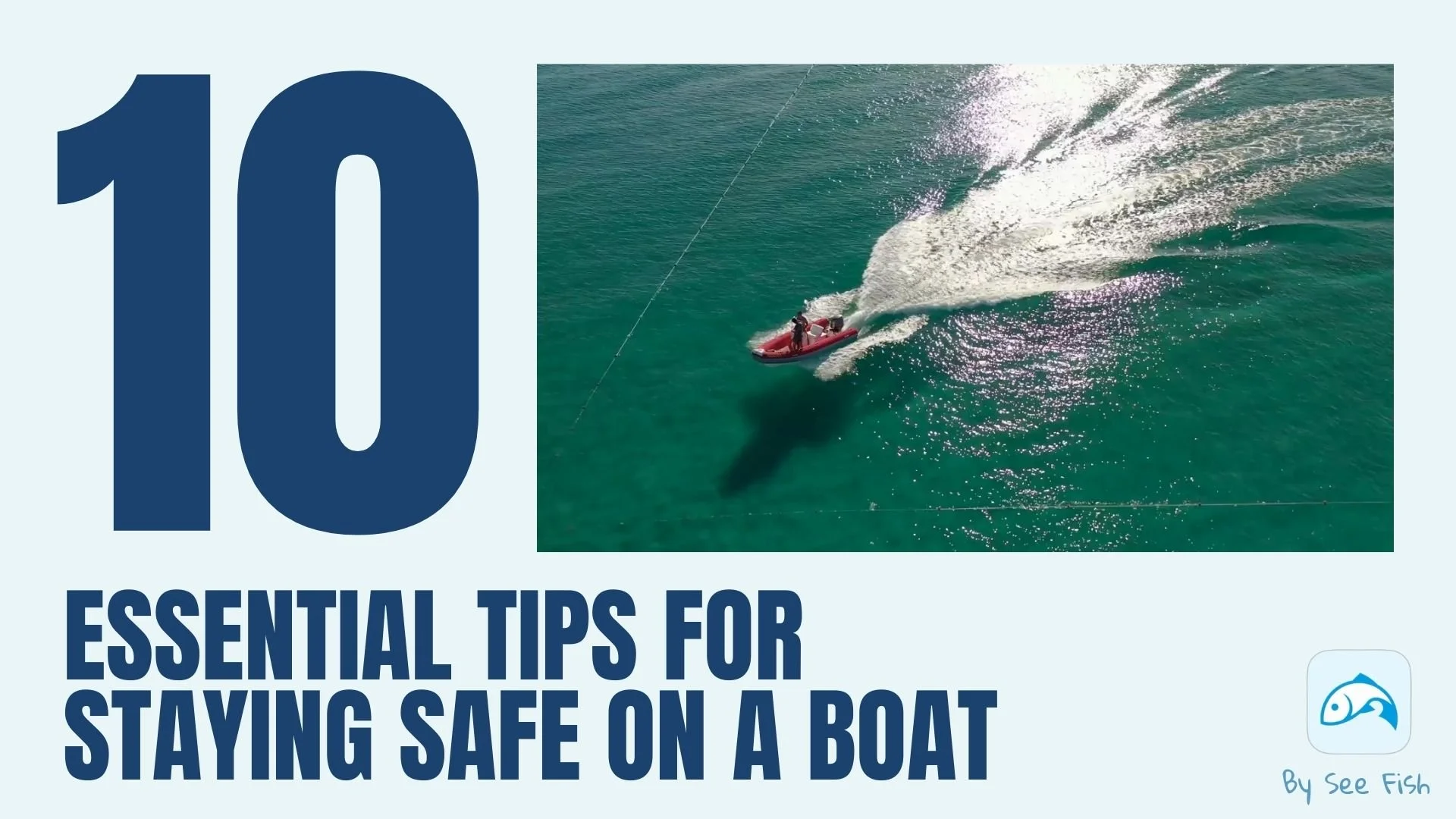
10 Essential Tips for Staying Safe on a Boat
As summer approaches, it's important to prioritize safety while enjoying boating adventures. Wear life jackets, learn boating skills, and check weather conditions. Proper boat maintenance and navigation aids are crucial, along with following rules and avoiding distractions. Communicate your plans and be aware of carbon monoxide risks. Practice man overboard drills and equip your boat with necessary safety equipment. By adhering to these tips, we can reduce accidents and create a safer boating environment. Share these guidelines with fellow boating enthusiasts to promote awareness and ensure everyone has a fantastic and secure time on the water this summer. Stay safe and enjoy the waves!
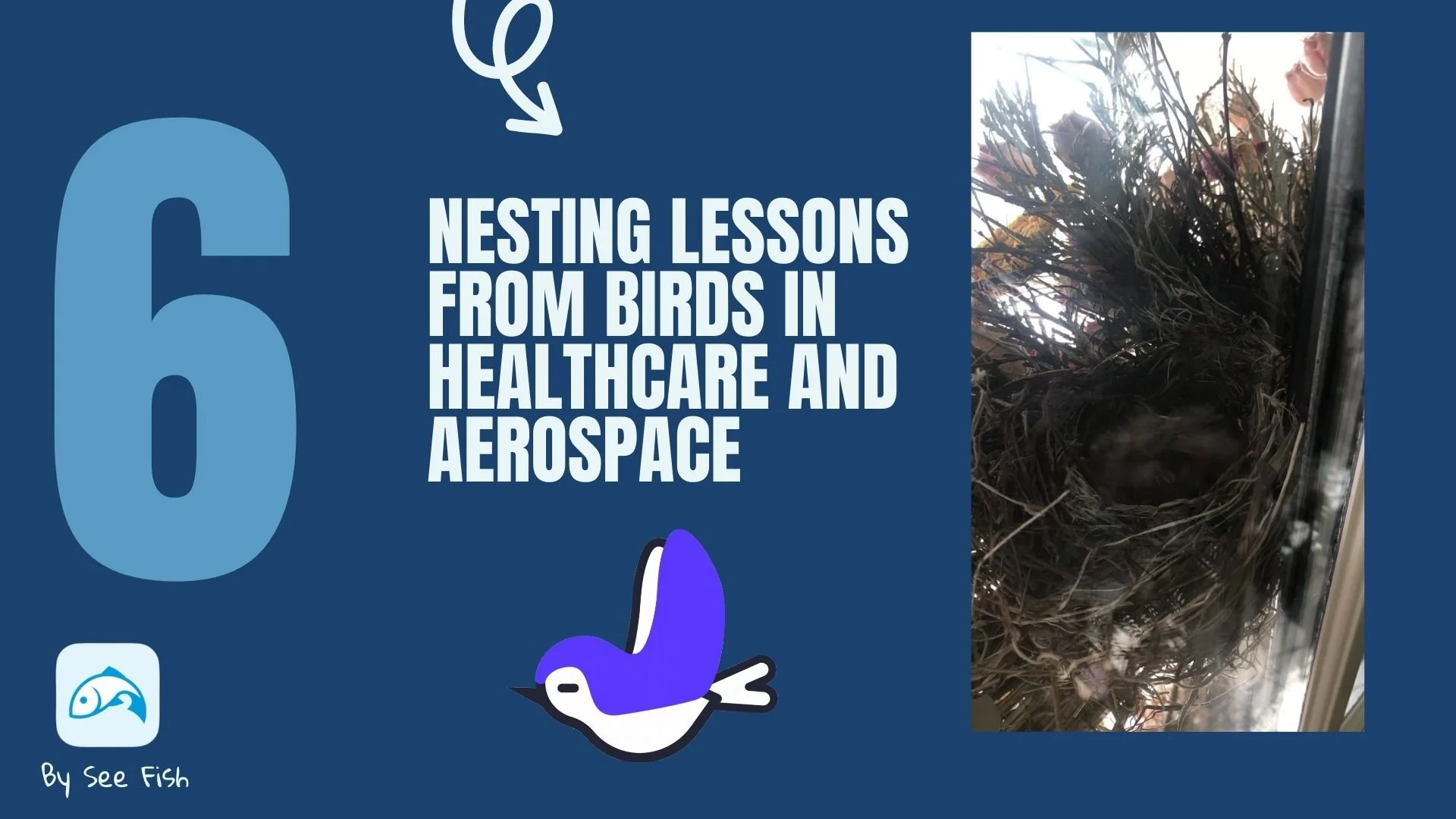
The Art of Nesting: Lessons from Birds in Healthcare and Aerospace
Discover the remarkable parallels between birds laying eggs and raising their young and their application in healthcare and aerospace. In healthcare, birds' attention to creating safe environments and their nurturing care reflect the importance of sterile conditions and compassionate patient support. Meanwhile, in aerospace, the teamwork and collaboration observed in avian parenting resonate with the multidisciplinary efforts required to design and operate complex systems. The growth and development of avian offspring mirror the continuous learning and training necessary in aerospace professions. By drawing inspiration from the art of nesting, we can enhance patient care, adapt to changing environments, and explore new frontiers in aerospace endeavors.
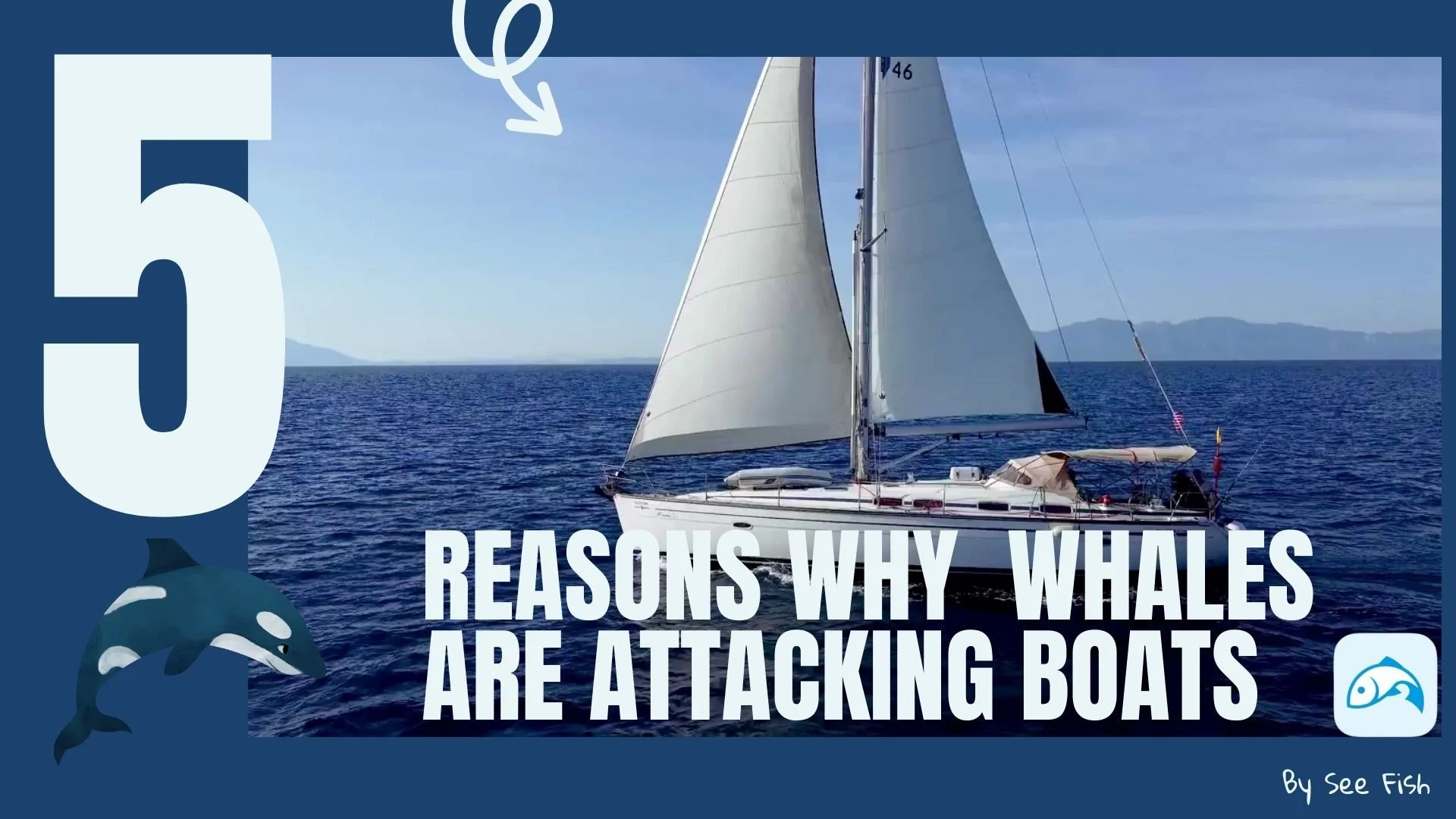
The 5 Reasons Why Whales Are Attacking Boats
Whales attacking boats have become a perplexing phenomenon, leaving sailors and enthusiasts searching for answers. Possible explanations include misinterpretation of intent, protective instincts, noise pollution, environmental changes, and stress. Vibrations and sounds emitted by yachts may confuse whales, triggering defensive responses. Whales may attack boats to protect their young or territory. Noise pollution disrupts their natural communication, while climate change disrupts their ecosystem. The stressors faced by whales can lead to increased aggression when provoked. Further research and responsible maritime practices are crucial for coexisting harmoniously with these majestic creatures, ensuring their preservation and the preservation of our oceans.
3 Ways Stingrays Inspire Healthcare, Aerospace, and Boating
Stingrays provide invaluable inspiration for healthcare, aerospace, and boating. Their streamlined bodies and fluid dynamics guide the design of efficient medical devices and aerodynamic innovations. Sensory systems found in stingrays inspire advanced diagnostics and navigation technologies. Furthermore, their regenerative abilities hold promise for wound healing, while their agile movements enhance maneuverability in boating. By harnessing the wisdom of nature, we can optimize technology, reduce environmental impact, and propel innovation in various fields. Stingrays offer a glimpse into a future where biomimicry and sustainable practices harmonize, leading us towards a brighter and more interconnected world.
5 Ways To Design Transportation Based on an Alligator
Discover the fascinating world of alligator swimming and its potential applications in transportation engineering. In this captivating blog post, we delve into the secrets behind the alligator's efficient aquatic locomotion. From their streamlined body shape that reduces drag to their powerful tail propulsion and webbed feet for enhanced maneuverability, there are valuable lessons to be learned. Explore how the alligator's ability to utilize buoyancy and seamlessly transition between air and water breathing can inspire innovative transportation solutions. Join us on this journey of discovery as we uncover nature's engineering marvels and envision a future where transportation takes cues from the remarkable alligator.
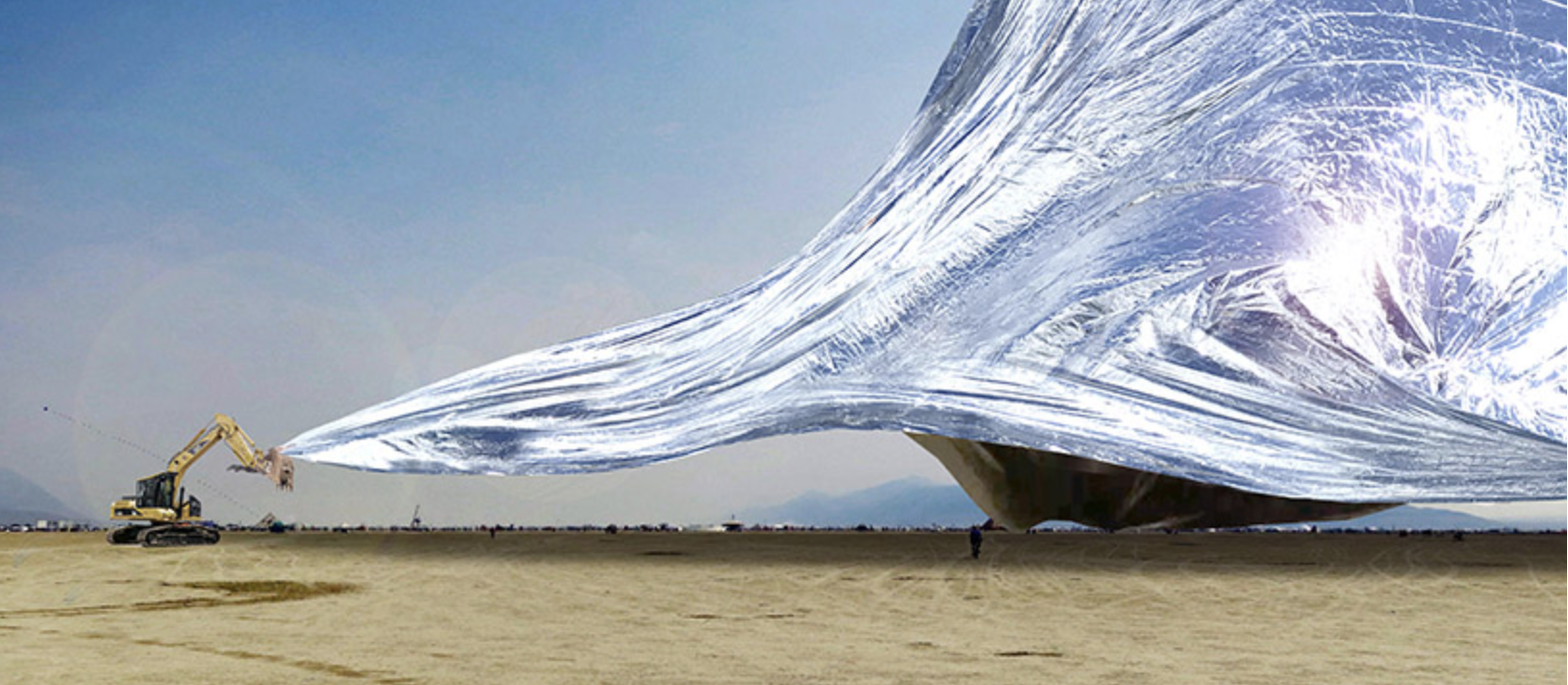
Algae/Seaweed Smart Cloth: Protecting Coral Reefs and Combating Climate Change
The Algae/Seaweed Smart Cloth and algae-based space blankets offer groundbreaking solutions for protecting coral reefs and mitigating climate change. These innovative textiles harness the sustainable properties of algae or seaweed fibers and incorporate smart technology to provide shading for coral reefs while allowing essential sunlight. They integrate advanced sensors to monitor environmental conditions and dynamically adjust their shading capabilities. Moreover, these textiles act as filters, absorbing excess nutrients and pollutants from the water, aiding in water purification. With seamless integration into monitoring systems, they contribute valuable data for reef management. Through ongoing research and collaboration, these visionary concepts have the potential to revolutionize coral reef conservation and create a more sustainable future.

Global Warming: A Sunburn on Our Planet and Practical Steps to Combat It
In this blog, we explore the striking similarities between global warming and getting a sunburn and delve into practical measures we can take to combat climate change. Just as we use sunscreen to shield our skin, we need to protect our planet from the scorching effects of global warming. Discover how reducing our carbon footprint, embracing renewable energy, advocating for change, and adopting sustainable practices can make a significant difference. Join the movement to create a sustainable future, as we draw parallels between sun protection and combating global warming for a healthier planet and future generations.
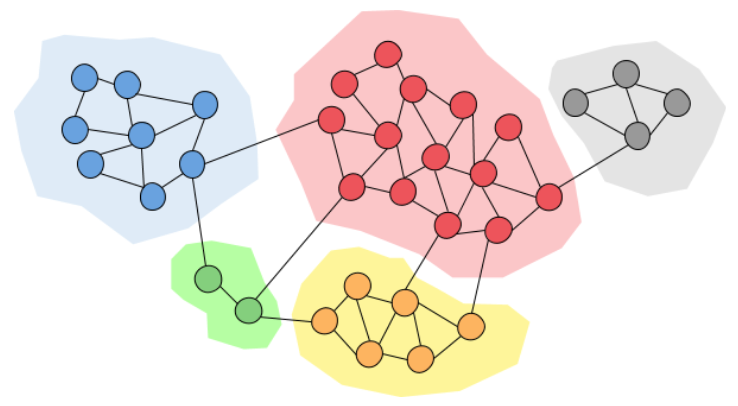
Revealing Oceanic Patterns with the Louvain Algorithm
Unleashing the power of the Louvain algorithm, researchers can uncover hidden patterns within the vast and complex oceanic ecosystem. By constructing networks based on species interactions or environmental parameters, the algorithm detects clusters or communities, revealing ecological relationships and climate impacts. This valuable tool aids in understanding trophic structures, identifying key species, and predicting changes in marine food webs. Moreover, the insights gained from Louvain analysis contribute to conservation efforts and sustainable management of marine resources. With continued advancements in technology and interdisciplinary collaborations, the Louvain algorithm holds great potential in unraveling the intricate patterns and dynamics of our oceans for a healthier and more resilient future.
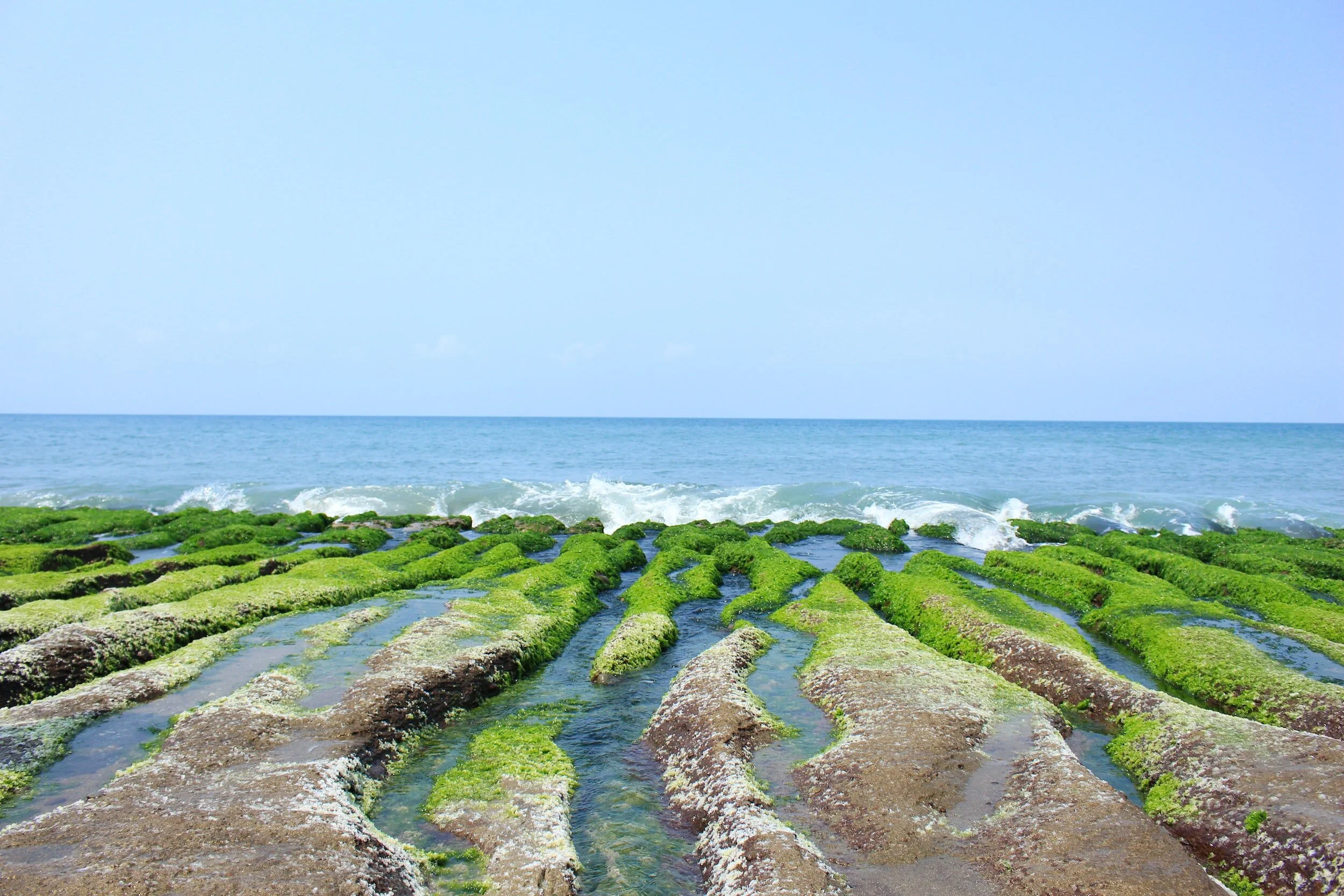
Photosynthesis Paint: A Sustainable and Self-Healing Solution with Algae
Using algae in a form of paint can help with sustainability efforts. Read to learn more!

The Power of Imagination: Hypothetical Particle Infusion for Climate Change Mitigation
Imagining a world where every building, road, roof, paint, and light pole possesses the ability to reduce climate change through photosynthesis is an exercise in creative thinking. In this hypothetical scenario, an engineered particle infused into these structures mimics the properties of chlorophyll, capturing carbon dioxide and generating oxygen when exposed to sunlight. These revolutionary materials transform our urban landscape into carbon sinks, actively combating greenhouse gas emissions. This visionary concept holds the potential to revolutionize our built environment, promoting sustainability, cleaner air, and a greener future. While currently hypothetical, it ignites our imagination and emphasizes the importance of innovative solutions in the fight against climate change.
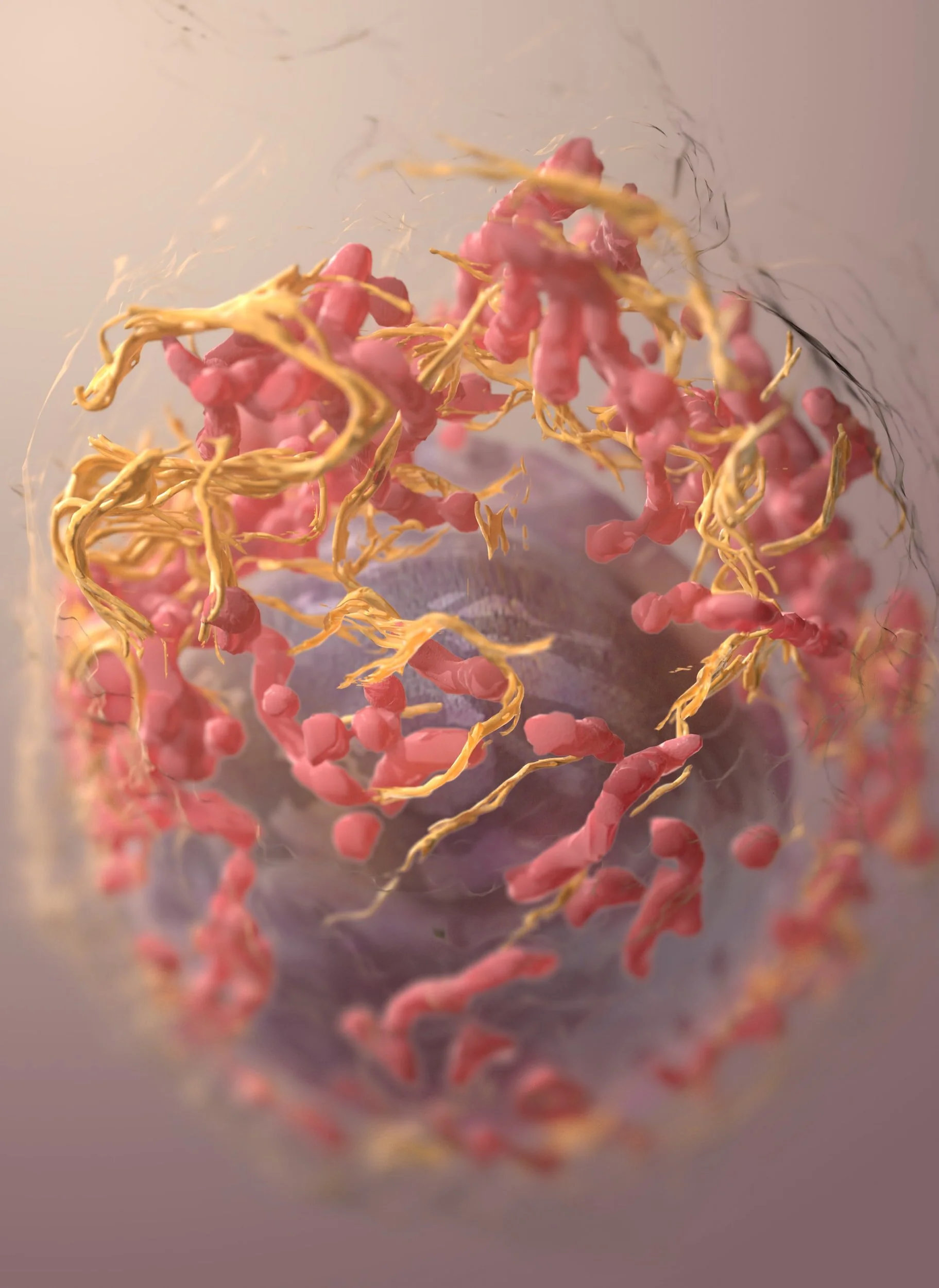
Harnessing Photosynthesis: A Hypothetical Pill for Melanoma Prevention
Harnessing the power of photosynthesis, scientists are exploring the potential of a hypothetical pill to prevent melanoma, a deadly form of skin cancer. Recent studies have shown that plant compounds like chlorophyll can activate the body's natural defenses against cancer and induce self-destruction of melanoma cells. If realized, this breakthrough pill could offer a safe and effective preventive measure for individuals at risk. It could be taken by people of all ages, complement existing treatments, and potentially curb the spread of melanoma. While further research is needed, this innovative approach holds promise in the ongoing fight against melanoma.

Celebrating the Ocean's Best Marine Life Fathers: Guardians of the Deep
In the vast expanse of the ocean, some of the best marine life fathers demonstrate exceptional dedication in raising their offspring. Take the Emperor Penguin, enduring harsh Antarctic winters, diligently incubating their eggs, and then shuttling back and forth to provide food for their growing chicks. Seahorse fathers challenge traditional roles, carrying fertilized eggs in their specialized pouches, regulating conditions, and offering protection until the juveniles emerge. Jawfish fathers diligently guard and fan their eggs in burrows, shielding them from predators, while Emperor Angelfish fathers fiercely protect their nesting sites and tirelessly care for their eggs. These fathers exemplify selflessness and commitment, showcasing the incredible bonds formed within the oceanic family units.
